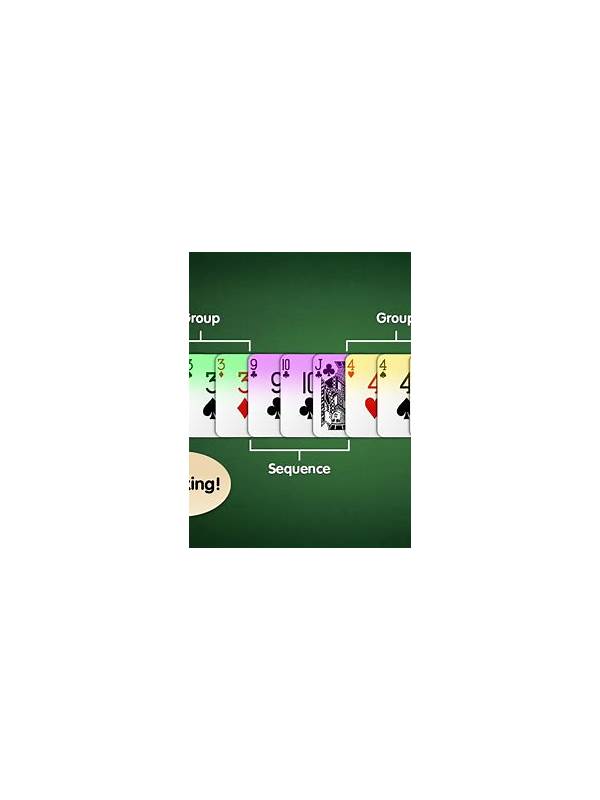
Rummy FAQ: What Happens When the Draw Pile Runs Low?
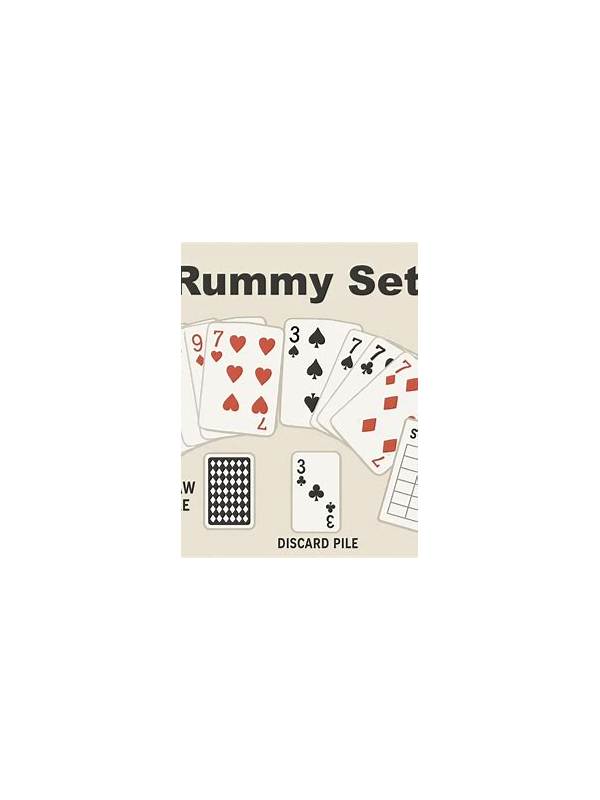
When the draw pile becomes small, a rummy hand can feel more urgent, but the correct response depends on the format. Some games reshuffle the discard pile after preserving its top card. Others end the hand when no legal draw remains, while some digital tables resolve the situation automatically. Never assume that a familiar home rule applies to a particular app or tournament.
Watch the interface and read the table instructions before the pile is empty. If the rules mention a reshuffle, check whether all discarded cards return or whether the most recent discard stays visible. That detail changes what information is available. If the hand ends on exhaustion, the scoring rule may differ from a normal loss or may call for a comparison of incomplete hands.
Strategically, a low pile changes the value of speculative plans. A card that might have arrived in a long game may no longer be realistic when only a few draws remain. Count the number of turns you can reasonably receive, then ask whether each unfinished group has a practical route. If one plan depends on several exact cards, it may be better to protect a simpler structure and reduce penalty points.
Do not rush simply because the visual pile is short. Use a quick checklist: What are the exact exhaustion rules? How many turns might remain? Which unfinished group has the fewest workable exits? Is the discard pile giving useful information? These questions turn urgency into a bounded calculation.
After the hand, note what actually happened. If the pile was reshuffled, record when and how. If it ended, write down the scoring treatment. A one-line rule note prevents repeated confusion and lets future decisions reflect the actual format rather than memory from another table.
Related Post
Rummy Comparison: Draw Pile Versus Discard Pile Information
Compare the strategic information offered by blind draws and visible discards in rummy. [...]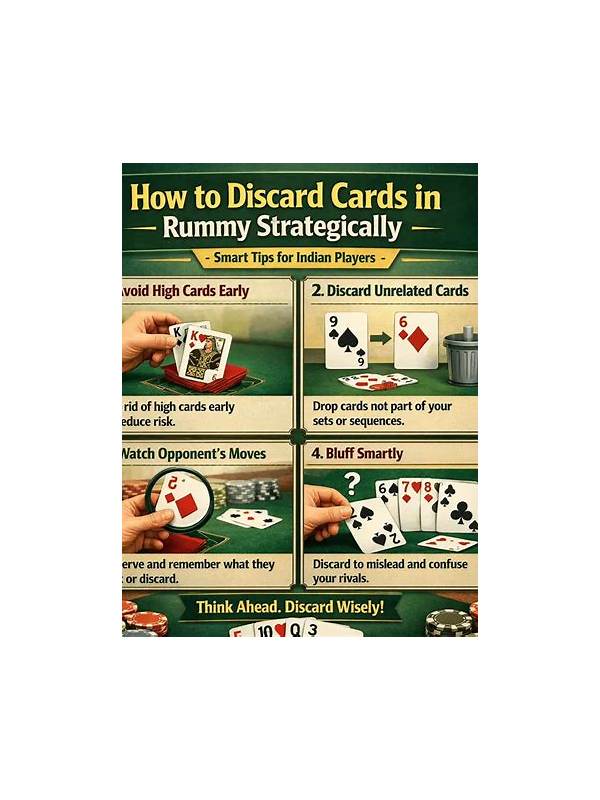
Rummy How-To: Build a Turn-by-Turn Discard Plan
A flexible discard plan gives every turn a priority while leaving room to respond to [...]