Rummy Tips: Keep a Backup Discard Candidate
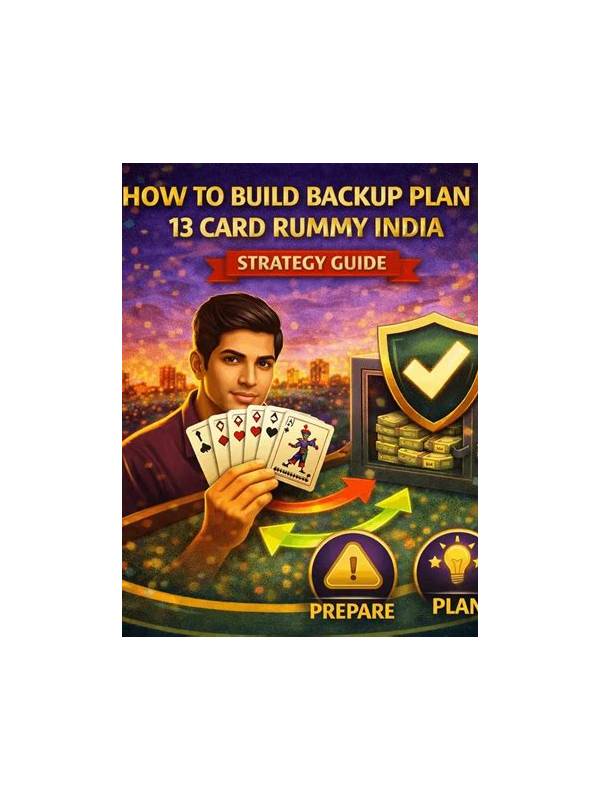
Many players choose a discard only after drawing, then discover that the new card has made every option feel important. A backup discard candidate solves part of that problem. Before your next turn, identify one primary card to release and one secondary card that could leave if the draw changes the hand.
The primary candidate should have the weakest current role. It may be an isolated high card, a duplicate that has no set path, or a narrow pair that has reached its review deadline. The backup should not be a random card. Choose one whose value is slightly lower but whose connections are less convincing than those of the rest of the hand.
After drawing, compare the new card with both candidates. If it completes a group with the primary card, keep the primary and test the backup. If it creates a new sequence with the backup, do not discard automatically; decide whether the new structure is stronger than the old one. A backup is a prepared alternative, not a command.
Consider what information your discard gives away. A card that completes a visible pattern for another player may be riskier than an equally weak card. You cannot know every hidden holding, but you can avoid releasing an obvious connector when another reasonable discard is available. Information and hand value should be weighed together.
The backup method is especially useful when your hand contains several pairs. Pairs can look equal even though one has more extensions or supports a required pure sequence. Rank them before the turn begins. Protect the pair with the broader path and nominate the narrower one as a possible release.
Do not create a backup by breaking a confirmed requirement. A natural sequence that your format needs should remain protected unless a new arrangement clearly replaces it. The backup should come from uncertain material, not from the foundation of a valid hand.
This routine takes only a few seconds but prevents late-turn panic. You begin with a plan, update it when the draw arrives, and still have a sensible alternative if the plan changes. Good preparation does not remove uncertainty; it gives uncertainty somewhere safe to go. You can choose backup candidates while arranging the hand, not only immediately before a draw. The habit is particularly useful when several loose cards have similar point values but very different future roles. It turns a rushed discard into a comparison made while you still have time to think.
Related Post
Rummy Comparison: Flexible Cards Versus Valuable Cards
Compare a card’s connection options with its point value before deciding which quality matters more. [...]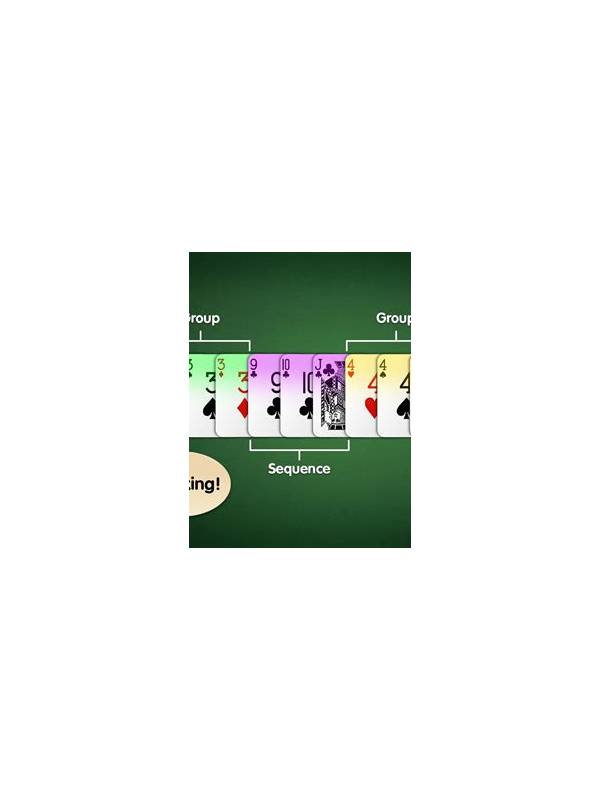
Rummy Hand Shape: Compare Runs, Sets, and Deadwood
Compare the strengths and risks of different hand shapes before committing to a rummy plan. [...]