Rummy FAQ: Is a Lower Point Total Always the Best Progress?
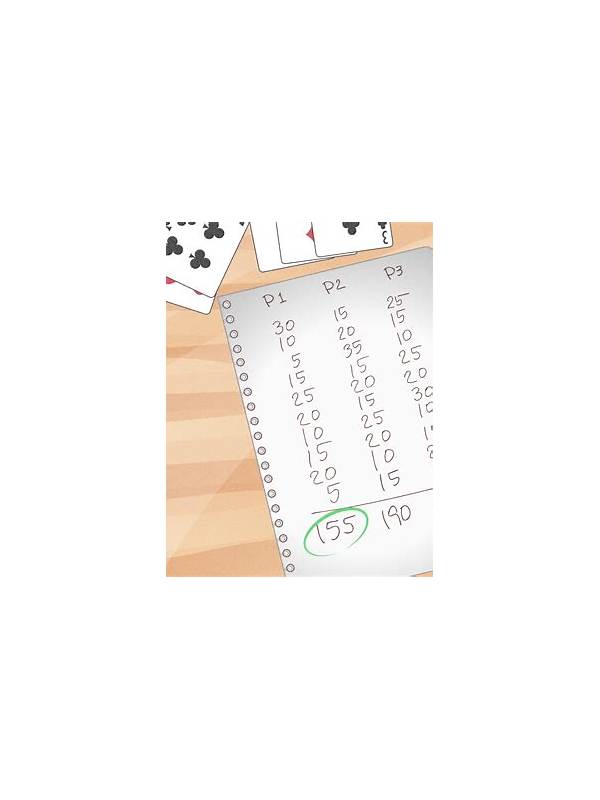
Lowering the apparent point total is usually helpful in rummy, but it is not the only measure of progress. A hand full of low cards can still be invalid, inflexible, or far from a declaration. The better question is whether a move reduces risk while preserving a credible route to the required melds.
Start with legality. If a low card belongs to a needed pure sequence, discarding it may lower the total today but remove the foundation of a valid hand. Conversely, keeping several high cards because they are part of loose pairs may preserve theoretical options while exposing you to a costly loss. Point value is a signal, not a complete decision.
Then compare structural progress. A move that turns three loose cards into a completed sequence often has more value than a move that replaces one high card with a low orphan. Record both changes: the point change and the number of unresolved connections. If points fall while unresolved connections rise sharply, the improvement may be cosmetic.
Timing matters too. Early, you can accept a moderate point total if it buys multiple routes and keeps the hand adaptable. Late, reducing expensive leftovers becomes more urgent, but abandoning a near-complete required group can be worse. Use the remaining turns and the visible evidence to set the balance rather than following a single target number.
There is also an information cost. A draw from the discard pile may reduce points and reveal what you are building to others. That can be worthwhile when it completes a group, but less worthwhile when it merely creates a new pair. Compare private flexibility with public information before calling a lower total “progress.”
For reviews, score a move on three dimensions: points reduced, required structure strengthened, and future choices preserved. You do not need exact mathematical weights. The exercise simply prevents one attractive metric from dominating. The best progress usually lowers exposure and makes the next decision clearer. A low total that cannot be arranged legally is not progress; a slightly higher total with a strong, adaptable plan may be.
This is why a hand should be evaluated at more than one moment. Note the point total when you draw, after you arrange groups, and after you choose the discard. A move that looks neutral at the draw may become valuable because it opens a legal arrangement. Conversely, a low-point draw may be harmful if it forces the next discard to be a key connector. Sequence and timing give the number meaning.
Related Post

Rummy Comparison: Open Information and Hidden Information
Compare what visible cards can tell you with the limits of inference in a concealed-hand [...]
Rummy Suit Balance: A Simple Way to Judge Your Opening Hand
Learn how suit distribution can reveal strengths and risks before your first draw. [...]