Rummy Safety: Use a Cooldown After an Emotional Session
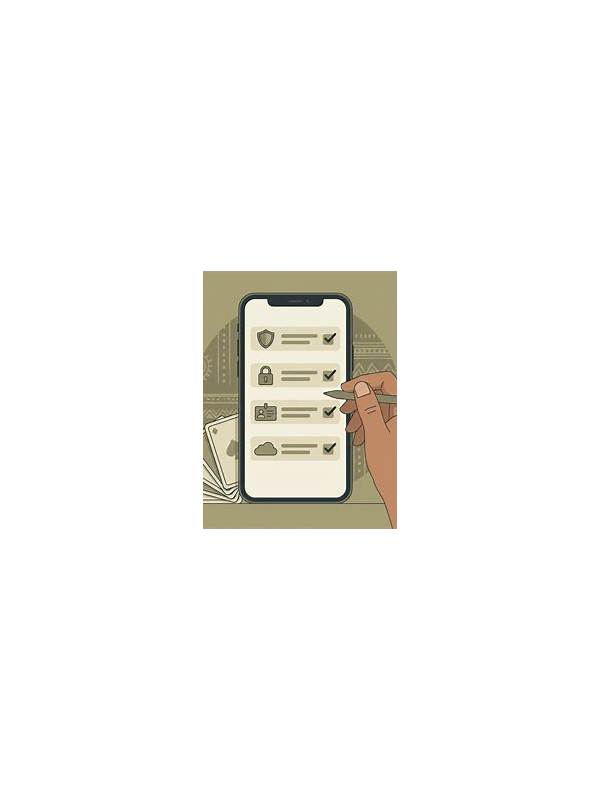
Sleep is an important boundary for any online activity. If rummy sessions regularly run late, keep your mind racing after you stop, or cause you to wake and check results, treat that pattern as a safety signal. It is not necessary to wait for a major crisis before changing your routine.
Begin with a simple observation period. Note when you start, when you stop, and how long it takes to settle afterward. Include whether you postponed sleep to continue, returned to the app during the night, or felt pressure to recover a loss. A short record can reveal a pattern that is easy to dismiss one night at a time.
Set a hard stop before the session begins. Use an alarm, device limit, or platform control where available. When it sounds, finish the current action safely and leave the table; do not start another game. Avoid using “just one more” as a replacement for a chosen end time because that phrase has no reliable boundary.
Remove easy access during bedtime. Sign out, place the device away from the bed, and silence nonessential notifications. If money is involved, do not keep payment details ready for a late-night reload. Ask a trusted person to help with limits if you find yourself repeatedly overriding them.
Do not play when exhausted. Fatigue reduces attention, makes rules harder to check, and can increase impulsive decisions. A tired session is not a fair test of skill or judgment. Choose rest instead, even if a table or promotion appears time-sensitive.
If sleep problems continue after you reduce or stop play, speak with a healthcare professional. If gaming creates financial stress, secrecy, or a feeling that you cannot stop, seek confidential support from a local gambling-help service or trusted person. In an emergency or if you feel unsafe, contact local emergency services.
Healthy recreation should fit around rest, work, and relationships. Protecting sleep is not giving up; it is a clear way to decide whether the activity remains within a safe role in your life. If you cannot stop at the chosen time, tighten the limit or remove the activity from your routine for a while. A cooldown can include water, a walk, and a screen-free period before bed, giving your attention time to return to ordinary tasks. The point is not to punish yourself; it is to create enough distance to notice whether the session is helping or harming your routine.
Related Post
Rummy Practice Drills for Improving Card Grouping
Rummy Practice Drills for Improving Card Grouping offers practical guidance for clearer, safer, and more [...]
Rummy FAQ: Does a Complete Group Always Deserve Protection?
A complete group is valuable, but its role should still be checked against legality, flexibility, [...]