Rummy Comparison: Silent Observation Versus Written Tracking

Players often wonder whether to track a rummy hand mentally or with brief notes during practice. Silent observation is fast and keeps attention on the table. Written tracking preserves details that memory may blur. The best choice depends on the format, interface, and whether note-taking is allowed.
Mental tracking works well for a few high-value facts: a required sequence, the last several discards, and the purpose of your current plan. It avoids distraction and is usually appropriate for live play when external notes are prohibited. Its weakness is selective memory. Players may remember cards that support their preferred route while forgetting cards that challenge it.
Written tracking is useful during private practice or review. A small table can record visible cards, route needs, and the reason for each discard. The act of writing slows judgment enough to expose vague thinking. However, detailed notes can become a second task. If you spend more time recording than evaluating, the method is too heavy.
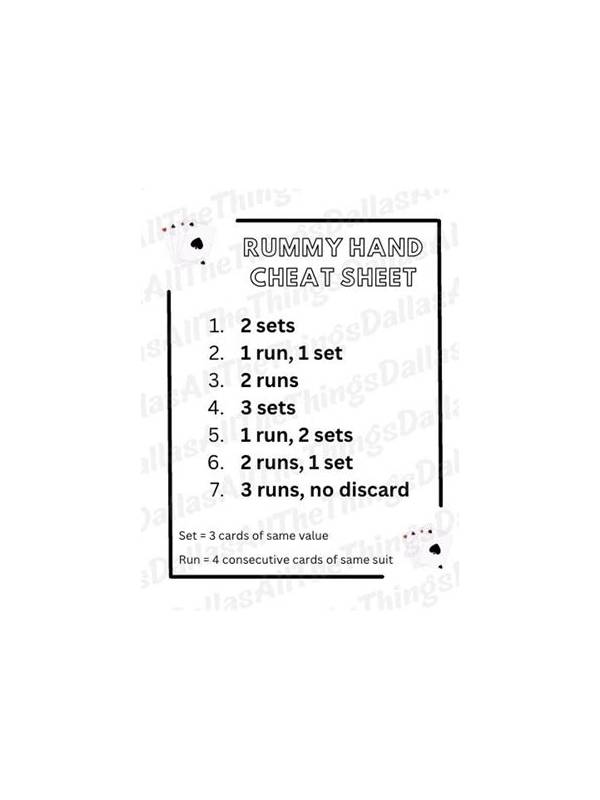
Compare the methods by the question you need to answer. If you only need to know whether a connector appeared, mental notes may be enough. If you are testing whether you chase narrow pairs too long, written records reveal timing and repeated patterns. If you are learning a new variant, a one-page rule reference may prevent a memory mistake, provided the rules allow it.
Privacy and fairness matter. Never record another player’s personal information, use prohibited tools, or capture screenshots of private game data. Keep practice notes generic and store them securely. The purpose is learning decisions, not gaining unauthorized access to information.
A practical progression is to begin with written notes, then reduce them to three mental prompts: requirement, route, exit. After the game, compare what you remembered with the written record. If the same errors recur, restore one targeted note rather than returning to exhaustive tracking. Good tracking supports attention; it should not replace it.
Color and layout can improve mental tracking without creating a record. Sort cards consistently, keep completed groups visually separate, and use the same short vocabulary in every review. These small cues reduce the memory burden while keeping the activity within normal play. If the platform prohibits any external aid, follow that restriction and rely only on permitted arrangement features. Whichever method you use, stop tracking once the hand ends. A short debrief is enough; carrying every detail into the next session can increase fatigue and reduce attention.
Related Post

Rummy Safety: Check Payment Confirmations Before Continuing
Pause after a payment event and verify the official status instead of trusting an unfamiliar [...]
Rummy Safety: Verify a Payment Notice Independently
Independent verification helps players avoid acting on convincing but fraudulent payment messages. [...]