Rummy How-To: Establish a Clear Hand State After Every Draw
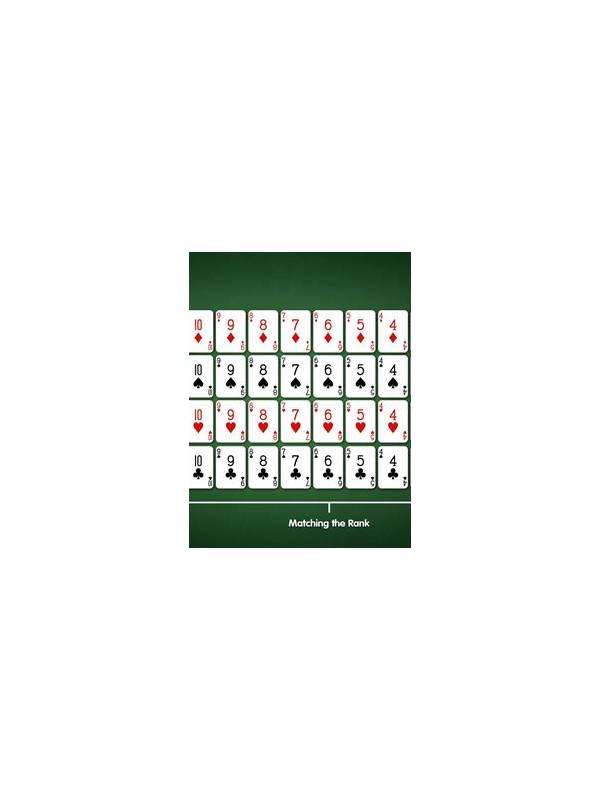
Every draw changes the information in your hand, even when the new card appears useless. A clear hand-state routine makes those changes manageable. The goal is to know what is complete, what is promising, what is blocked, and what can be released before you choose a discard.
Start by placing complete valid groups in one area. Do not move them casually while exploring possibilities; a stable area reduces accidental breaks. In another area, place unfinished routes. Mark whether each route is a pair, a gap, or a flexible collection. Keep isolated cards separate so they do not receive extra importance merely because they are high value.
After drawing, compare the new card with every unfinished route. It may extend one route, create a new route, or serve as a substitute for an existing card. If it does none of these things, classify it as an immediate discard candidate. This short classification is more reliable than deciding from the card’s rank alone.
Next, identify the weakest existing holding. Weakness can mean a narrow route, a high-cost isolated card, or a duplicate that has no credible second use. Ask whether the drawn card improves the hand enough to justify keeping it. If not, the new card may be the correct discard even if it feels fresh.
Before discarding, state your plan in one sentence: “I am protecting this group, testing this route, and releasing this card.” If you cannot form that sentence, pause and reorder the hand. A brief explanation exposes hidden assumptions and helps prevent random moves.
Finally, update your expectations. A route that was promising before the draw may now be weaker, and a previously ignored card may connect two plans. The routine should be fast once practiced, but it should never be skipped when the hand becomes crowded. Clear state produces clear choices, and clear choices make later review much more useful.
Use the same order every time: complete groups, active routes, isolated cards, then discard candidates. A fixed order reduces the chance that a recently drawn card will dominate your attention. It also makes hand reviews comparable across sessions. If the interface is crowded, use spacing or simple labels rather than repeatedly moving cards. Once the state is clear, take the discard that best serves the plan you can describe, not the one that merely looks least attractive. Use the same order every time: complete groups, active routes, isolated cards, then discard candidates. A fixed order reduces the chance that a recently drawn card will dominate your attention. It also makes hand reviews comparable across sessions. If the interface is crowded, use spacing or simple labels rather than repeatedly moving cards. Once the state is clear, take the discard that best serves the plan you can describe, not the one that merely looks least attractive.
If a card seems to fit two routes, mark both before deciding. The extra moment can prevent an accidental break in a required group.
Related Post
Rummy Practice Drills for Improving Card Grouping
Rummy Practice Drills for Improving Card Grouping offers practical guidance for clearer, safer, and more [...]
Rummy FAQ: When Is a Joker Better as a Connector?
A joker can be most useful when it closes a narrow gap without forcing you [...]