Rummy Comparison: High-Value Cards Versus High-Flexibility Cards
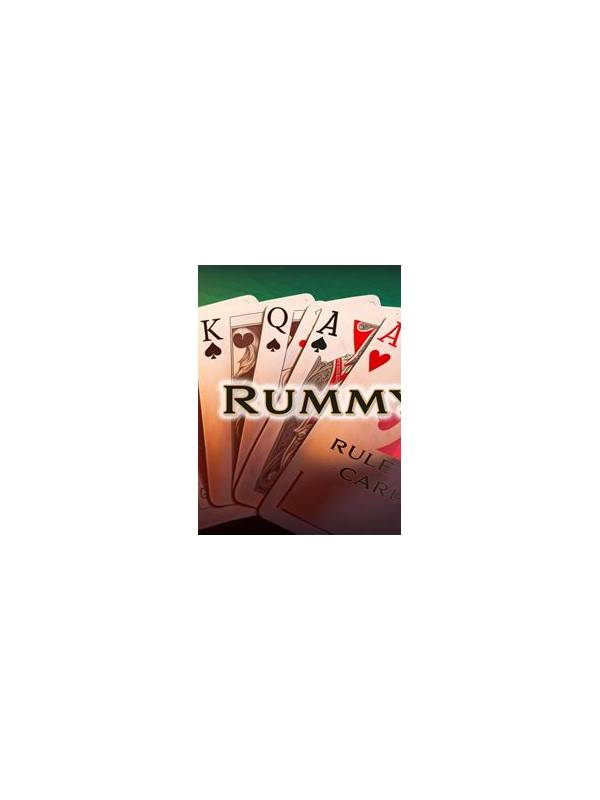
A high-value card can reduce a future penalty when it joins a group, while a high-flexibility card can support several possible groups. These benefits are not identical. Comparing them helps when a hand contains one safe-looking card and another card with more routes but greater point exposure.
High-value cards are often useful because they matter more if left ungrouped. Protecting them makes sense when they already belong to a credible sequence or set. Their weakness is that they can be expensive to hold while waiting. If the route is narrow, the penalty protection may be theoretical rather than practical.
Flexible cards usually sit near the middle of a suit or have several rank alternatives. They can adapt as new information arrives. Their weakness is that flexibility can become an excuse for keeping too many possibilities. A flexible card is valuable only when at least one of its routes fits the hand and has reasonable support.
To compare the two, ask three questions. How many groups can each card realistically join? What is the cost of keeping it for another turn? What would be lost if it were discarded now? The card with more potential is not always better if it prevents a required pure sequence or forces an awkward discard elsewhere.
Use the stage of the hand as a tie-breaker. Early on, flexibility may deserve more weight because plans are still developing. Later, a high-value card with a clear route may be preferable because completion matters more than exploration. If neither card has a credible route, release the one with the greater cost.
This comparison encourages balanced thinking. Protect points when protection supports a finish; protect flexibility when it creates real choices. The best holding is the one that improves the hand’s next decision, not the one with the most impressive label.
Do not confuse flexibility with indefinite retention. A card can have several theoretical homes while none fit the groups you must still complete. Likewise, a high-value card can be a good hold when it anchors a reliable route. Review both traits after every meaningful draw. If one card gives you a clear next action and the other only creates possibilities, clarity may be worth more at that stage. Do not confuse flexibility with indefinite retention. A card can have several theoretical homes while none fit the groups you must still complete. Likewise, a high-value card can be a good hold when it anchors a reliable route. Review both traits after every meaningful draw. If one card gives you a clear next action and the other only creates possibilities, clarity may be worth more at that stage.
The comparison can change when the rules require a pure sequence or another specific condition. Give that requirement priority before judging general card value, because a flexible card cannot replace a group you must legally show.
Related Post
Rummy How-To: Establish a Clear Hand State After Every Draw
A repeatable hand-state routine keeps each draw from creating confusion about groups, gaps, and discard [...]
Rummy Guide: Use a Three-Card Horizon
A three-card horizon helps you judge immediate choices without pretending to predict the entire hand. [...]