Rummy Safety: Keep Breaks Independent of the Score
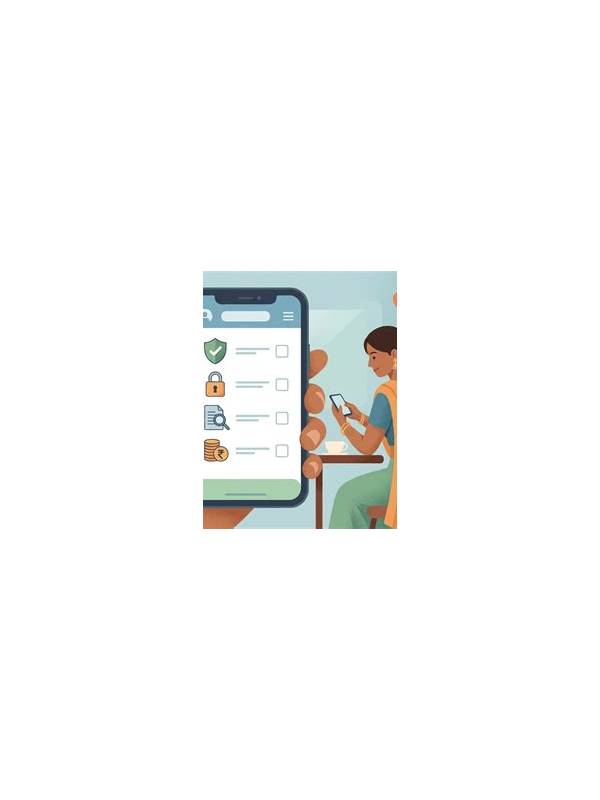
A break chosen only after a loss can feel like punishment, while a break chosen only after a win can become a way to protect a streak. A safer routine makes breaks independent of the score. Decide the timing before play and follow it whether the result is satisfying, disappointing, or ordinary.
Choose a practical boundary: a clock time, a number of hands, or a change in attention. Write it down before opening the table. When the boundary arrives, finish the current permitted action and step away. Do not negotiate with yourself using a bonus, a near win, or the promise of one more hand. The purpose of the boundary is to protect choice when emotions are strongest.
During a break, leave the game interface and do something unrelated. Check whether you are tired, tense, or tempted to change a spending limit. Never raise a limit to recover a result. If money or personal information is involved, verify account prompts only through official channels and keep credentials private.
When returning, ask whether you still want to play and whether the original conditions remain comfortable. A break is allowed to become an ending. If you return, keep the same session boundaries and do not treat the pause as permission to extend them. This preserves a clear relationship between play and personal control.
Review the routine after several sessions. Did the break arrive before your focus dropped? Did you ignore it because the score was moving in a particular direction? Adjust the schedule if needed, but keep its independence from outcomes. Sustainable play includes knowing when to pause regardless of what the cards appear to promise. Breaks also provide an account-safety checkpoint. Look for unexpected prompts, unfamiliar links, or requests for information that appeared while you were focused on the game. Do not respond through an unverified contact, and do not share authentication codes. If the platform does not offer a comfortable way to stop or set limits, treat that as information about the setting and leave it. A routine that works at every score is easier to trust and repeat. A scheduled break is also a chance to check your physical environment. Make sure your device is charged, your connection is stable, and notifications will not pressure you into rushed actions. These practical checks reduce avoidable mistakes without extending the session. If you return, begin with the original plan and limits rather than reacting to the last result. Control should remain more important than momentum.
Related Post
Rummy Comparison: Paper Notes or In-App History
Paper notes and digital history serve different review needs, so the best choice depends on [...]
Rummy Session Budgeting: Separate Time From Spending
Separating time and spending limits creates a clearer boundary for recreational online rummy sessions. [...]