Rummy Tips: Use a Fallback Group When a Plan Breaks
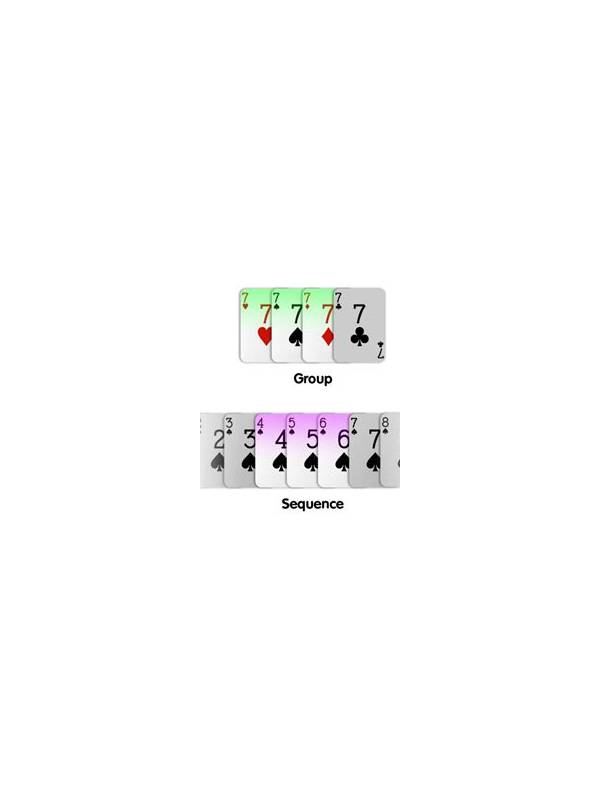
A fallback group is not an excuse to keep every possibility. It is a prepared secondary direction that protects you when a preferred plan loses support. Choosing it early can reduce panic after an unhelpful draw and make a broken sequence easier to rebuild.
Select a fallback with realistic routes and a low switching cost. A pair that can join a set or a sequence may be useful, but a pair requiring one exact copy is weak. Keep the fallback separate from the primary plan so you can see what it offers. If it requires breaking a confirmed requirement, it is not a cheap fallback and should be treated cautiously.
Define the trigger. The primary plan may be abandoned when its only missing card is no longer available, when several turns pass without improvement, or when a new draw creates a stronger legal route. The trigger should be based on evidence rather than frustration. Once it occurs, compare the fallback with the current hand and decide whether to switch fully or preserve one remaining route.
Switching costs include lost cards, time, and attention. A fallback that uses several unrelated cards may create more confusion than value. Keep the new objective small: protect one requirement, develop one credible group, and rank deadwood. You can add detail after the hand becomes more stable.
Review whether the fallback helped. Did it give you a real route, or did it merely delay a necessary discard? The answer improves your future selection. A good fallback is not as exciting as the original plan; it is valuable because it keeps the hand workable when the original story no longer fits. Choose a fallback before pressure rises, but do not force it into every hand. It is useful only when it has enough support and does not undermine the main requirement. If no secondary direction is credible, reduce deadwood and wait for better information. Review the fallback after each draw just as you review the primary plan. A card that was once a good backup can become a liability after the hand changes. Prepared flexibility is different from automatic indecision. Keep the fallback private and simple. You do not need to announce that your primary plan failed, and you should not disclose unnecessary hand information in chat. A quiet switch protects both strategy and privacy. If the fallback cannot meet the rules, it is not a fallback at all; release it and focus on the minimum legal objective. This keeps preparation realistic.
Related Post
Rummy House Rules: How to Agree Before the Deal
Discussing local variations before a rummy game prevents disagreements that have nothing to do with [...]
Rummy Tips: Use a Two-Column Discard Journal
A simple two-column note can reveal whether your rummy discards are planned or merely reactive. [...]