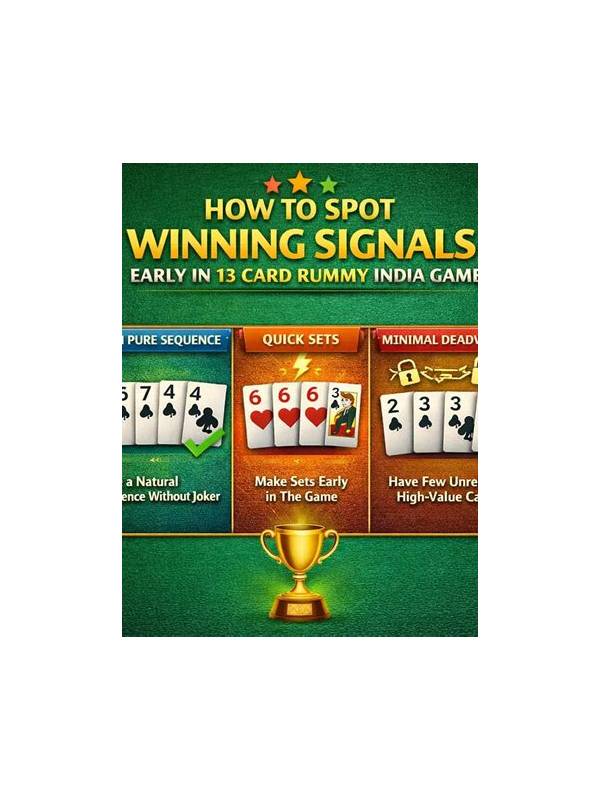
Rummy Comparison: Fast Discards Versus Careful Discards
Fast discards can keep a session flowing, but speed is only helpful when the decision is already clear. Careful discards can protect accuracy, but excessive hesitation may cause you to lose track of the plan or act on stale information. Comparing the two approaches helps you choose deliberately.
Use a fast discard when the card is an obvious liability, has no realistic connection, and releasing it does not break a valid group or reveal information you need to preserve. A familiar low-risk decision should not consume the same attention as a close choice between two live routes.
Use a careful review when the card supports a pair, sits near several sequence possibilities, or carries high points. Check what the card does, what the alternatives do, and what the next failure would cost. The extra seconds are worthwhile because a premature release can remove your best route.
The middle of a hand often calls for a hybrid method. Make an automatic first pass that identifies clear liabilities, then pause only for the cards that survive that filter. This creates a consistent rhythm without pretending every discard has equal complexity.
Technical conditions also matter. If the interface is lagging, the cards are difficult to read, or you are distracted, slow down even for ordinary decisions. A quick click made under poor conditions is not efficient; it is an avoidable error. If the problem cannot be corrected, sit out or stop safely.
After the session, review hesitation and haste separately. Did you spend time on a decision that had no meaningful alternative? Did you rush a close comparison because you wanted the turn to end? The aim is not maximum speed. It is matching attention to risk, so simple choices stay simple and important choices receive a fair review.
One practical rule is to pause whenever your preferred discard would change the shape of a valid or nearly valid group. That is a structural warning, even if the card itself seems ordinary. Conversely, when a card is isolated and costly with no credible route, a quick release may be the most disciplined choice. The balance improves with practice because you learn to recognize the difference between a decision that deserves thought and a decision that only feels important because the session is moving quickly. With that habit, speed becomes a tool you control rather than pressure imposed by the clock, interface, or other players at the table.
Related Post
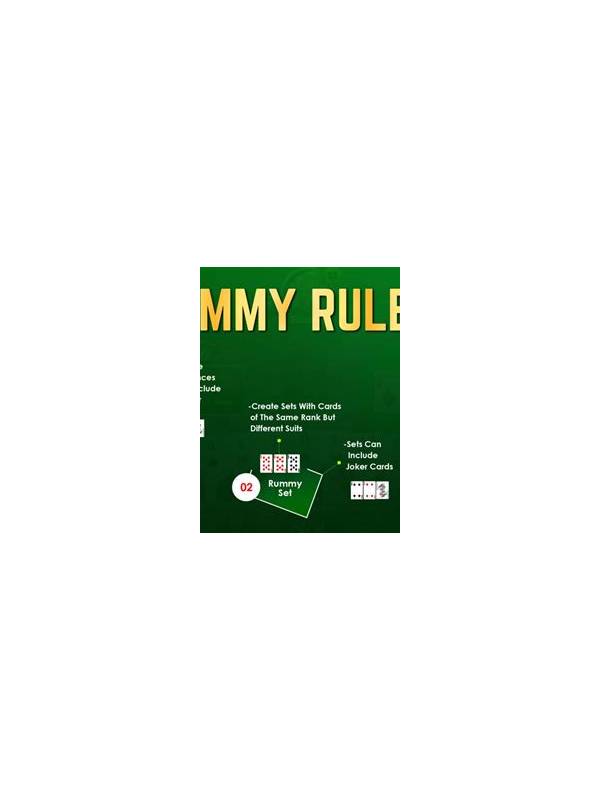
Rummy How-To: Reset Your Plan After a Joker Draw
A joker draw should trigger a fresh hand review instead of automatically confirming your old [...]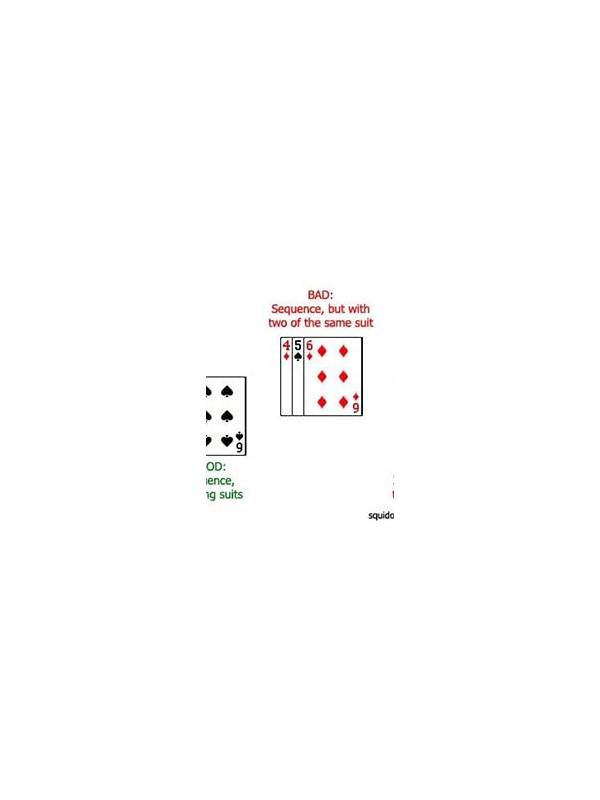
Rummy How-To: Test a Discard Against Three Future Draws
A short future-draw test helps compare discard candidates without pretending that the next card can [...]