Rummy Comparison of Open and Hidden Draw Choices
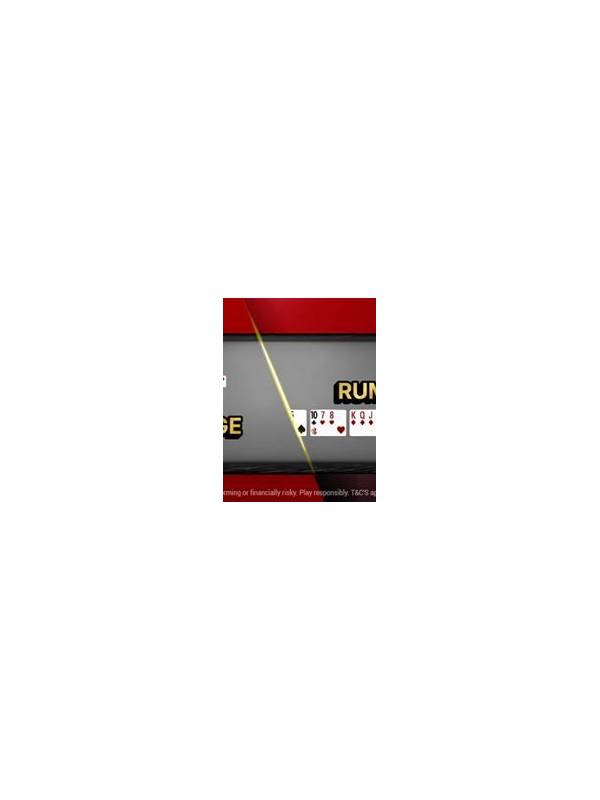
Every rummy draw has two dimensions: what the card does for your hand and what the choice tells the table. Taking a visible discard gives you known information, while a hidden draw preserves uncertainty but may bring a card with no immediate use. Comparing both dimensions leads to steadier choices than chasing the most attractive card alone.
The case for the open pile
An open discard is valuable when it completes or strongly extends a realistic meld. It may also be useful when you need a specific natural card to satisfy a format requirement. Because you can see the card, there is no surprise about its rank or suit. That certainty matters when your hand is close to a declaration and one wrong assumption could leave an invalid arrangement.
The cost is information. Other players see that you wanted the card. If it points clearly toward a suit, rank, or pair, your future discards may become easier to read. Taking an open card may also encourage an opponent to protect connected cards.
The case for a hidden draw
The closed pile keeps your intention less visible. It is preferable when the open card has only a weak connection, when several different cards could improve your hand, or when you want to avoid confirming a pattern. A hidden draw also lets you reconsider your plan without announcing the direction.
Its drawback is uncertainty. The new card may be a duplicate, an isolated high card, or a card that creates a tempting but narrow possibility. You must then discard something while knowing less about how the draw changed your options.
Compare immediate and future value
Before drawing, state the best honest reason for choosing the open card. Does it create a complete sequence, add to a set, or merely look interesting? Then compare that benefit with the strongest plausible hidden draw. You cannot know the hidden card, but you can value the range of useful outcomes. A clear completion generally beats vague flexibility; a weak pair may not.
Consider table context
The discard pile is not only a resource but also a signal. If the card has been available for several turns, its information cost may be smaller because everyone has already seen it. If an opponent has recently collected nearby cards, avoid handing them another obvious connection. These observations should adjust your decision, not replace hand evaluation.
Neither draw type is always superior. Use the open pile for reliable structural progress, and use the hidden pile when preserving uncertainty or a broad range of outcomes is more valuable. The comparison becomes easier when you separate certainty, information, and actual meld improvement.
Related Post
Rummy Practice: Review Decisions Without Looking Ahead
A no-look-ahead review recreates the information available at each turn and reduces the distortion of [...]
Rummy Safety: Review Payment Screens Before Confirming
A deliberate payment review can catch wrong amounts, unfamiliar recipients, and misleading prompts before confirmation. [...]