Rummy Comparison: Suit-First Sorting Versus Rank-First Sorting
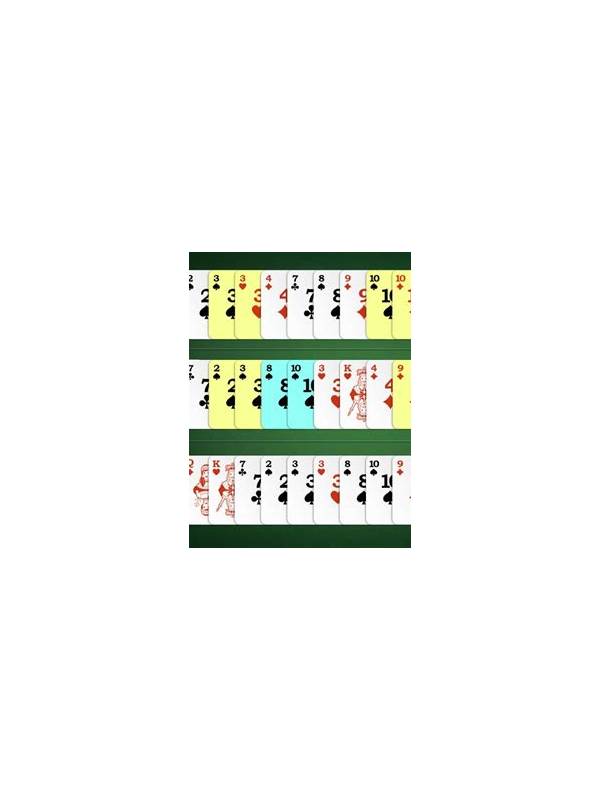
Sorting a hand is not merely a cosmetic task. It changes what you notice, how quickly you compare options, and how likely you are to overlook a useful connection. Visual sorting places cards into visible groups, while mental sorting keeps the structure in your head. Both methods can help, and both can fail when used without a clear purpose.
Visual sorting is usually easier for beginners and useful on a small screen. Arranging cards by suit can reveal sequence opportunities; arranging by rank can reveal groups. The advantage is lower memory demand. The cost is that a fixed arrangement can make one route look more important than it really is. A neat row may encourage you to keep a weak idea simply because it is visible.
Mental sorting can be faster once the hand is familiar. You can compare a card’s role without repeatedly moving it, which helps when the interface is crowded or the turn clock is short. However, mental sorting becomes unreliable under fatigue or pressure. Players may remember the plan but forget a duplicate, a joker, or the exact card that was discarded.
A practical method combines them. Use visual sorting to make an initial map, then state the hand’s structure in plain language: one completed group, one near-sequence, and two loose cards, for example. When a new card arrives, update the statement before deciding. This gives you the memory benefit of a visible layout and the speed of a concise mental summary.
Choose the arrangement that answers the current question. If you are checking a pure sequence, group by suit. If you are comparing rank-based possibilities, group by rank. If the question is which card has the highest penalty, temporarily separate unconnected high cards. Reorganize when the question changes.
The better method is the one that improves accuracy without adding confusion. Sorting should expose decisions, not replace them. Keep the display readable, use a repeatable routine, and verify the final structure against the rules before declaring. Try both methods during no-stakes practice. Sort one hand visually by suit, explain its routes, and then sort another mentally before checking the display. Notice where omissions occur. Visual sorting may be best for constructing a hand, while mental sorting may suit familiar comparisons. Use your own mistakes to refine the routine. Whichever method you use, leave enough space to see every card clearly. A sorting system that hides a card or creates accidental duplicates defeats its purpose. Verify before acting.
Related Post
Rummy Account Recovery: Prepare Before You Lose Device Access
Rummy Account Recovery: Prepare Before You Lose Device Access offers practical guidance for clearer, safer, [...]
Rummy Safety: Keep Session Records Without Exposing Personal Data
Keep useful strategy notes while avoiding passwords, payment details, and other sensitive information in your [...]