Rummy How-To: Compare Three Candidate Melds Before Drawing
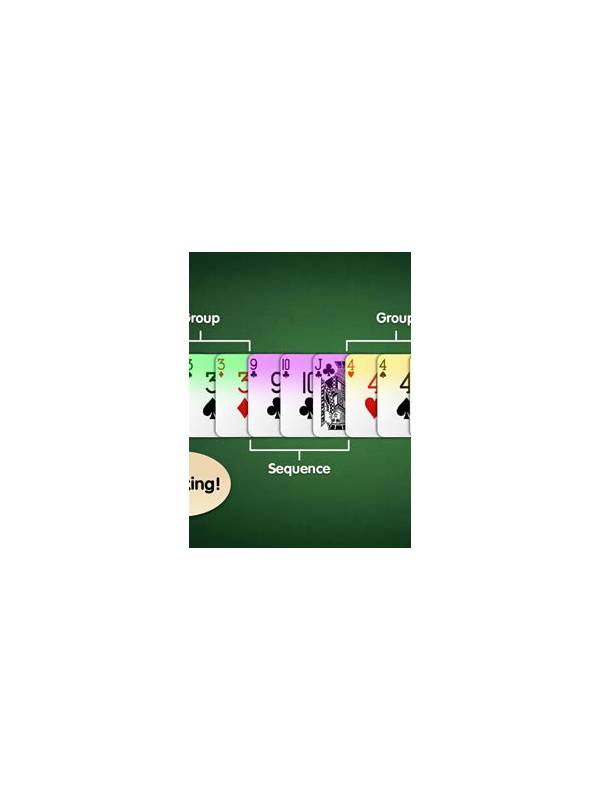
When a rummy hand contains several possible combinations, the first attractive meld is not always the best one. A pair may become a sequence, a middle card may connect two groups, and a joker may make an otherwise weak arrangement playable. Comparing a few candidates before drawing gives your next turn a clearer purpose.
Start by listing the three most realistic combinations in your hand. Do not include every imaginary connection. A candidate should need no more than one or two specific cards, or it should already be complete. For example, a 5 and 6 of hearts may be one candidate, while a loose 2 and 9 with no supporting cards is only a hope. Keeping the list short prevents analysis from becoming another source of confusion.
Next, score each candidate using three questions. How many cards already support it? How many different draws would improve it? What happens to the leftover cards if the draw never arrives? The first question measures current strength. The second measures flexibility. The third protects you from spending too many turns on a narrow plan.
Suppose one candidate is a nearly complete set that needs one rank, another is an open-ended sequence that can improve with cards from either side, and the third is a pair supported by a joker. The set may be closest to completion, but the open-ended sequence could offer more routes. The joker-backed pair may be valuable if it also helps create a required pure sequence. There is no universal ranking; the best option depends on the rules and the rest of your hand.
After comparing the candidates, identify the card that is least useful outside the chosen plan. This gives you a discard direction without forcing an immediate discard. Recheck the choice after the next draw because a new card can change both the number of routes and the value of your leftovers.
Use this routine especially when you feel tempted to chase the first visible connection. A brief comparison keeps you from confusing proximity with progress. It also creates a useful review note: you can later ask whether the winning candidate had more support, more routes, or better fallback value. Over time, that record will show which comparisons improve your decisions.
Keep the comparison tied to the active format. A points game may reward reducing exposed value, while a pool or deals format may make survival and hand structure more important. If you play across variants, write the format at the top of your review note. This prevents a useful lesson from one scoring system becoming an automatic rule in another.
Related Post

Rummy Safety: Inspect Login Alerts After a New Sign-In
Check an app's permissions and device behavior before using it for online card play. [...]
Rummy Comparison: Visible Discards Versus Unknown Stock Cards
Compare certainty and flexibility when choosing between a known discard and an unseen draw. [...]