Rummy How-To: Build a Practice Hand With a Deliberate Flaw
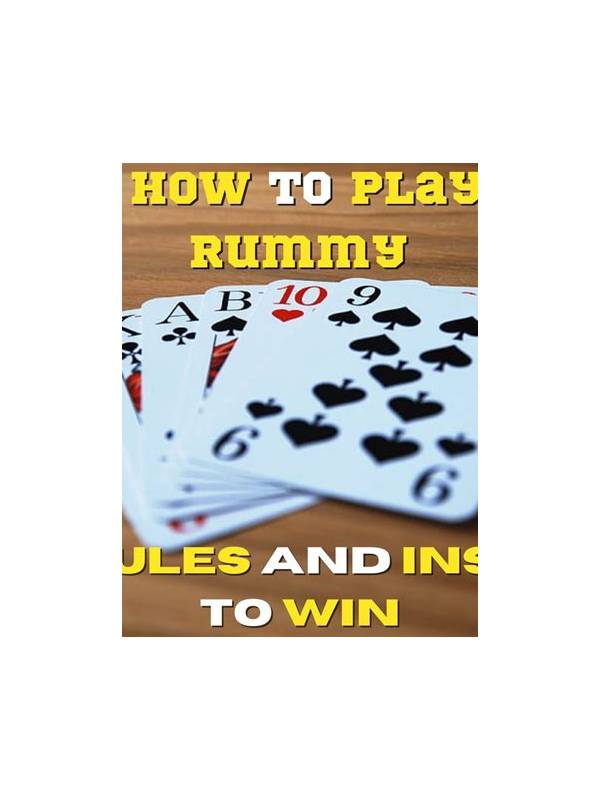
Practice is often easier when the hand has a clear answer. To train judgment, create hands that contain one deliberate flaw: an attractive but narrow pair, an expensive isolated card, a card serving two roles, or a group that looks complete but violates the format’s requirement.
Start with a legal set of cards and decide the skill you want to test. If the lesson is discard pressure, include two plausible groups that compete for one card. If the lesson is recovery, make the first plan depend on an unlikely arrival while leaving a modest alternative available.
Do not make the flaw impossible to spot. The goal is to practice noticing it, not to create a puzzle with no reasonable decision. Write the intended lesson on a separate note, then arrange the hand as you would normally see it. Give yourself a short time to make an opening inventory.
During the exercise, state your plan and its exit condition. Draw sample cards one at a time, including misses. After each draw, label secure, developing, exposed, and free cards. Notice whether the deliberate flaw becomes more expensive or whether new evidence makes it worthwhile.
Review the exercise by asking three questions. When did the flaw become visible? What alternative route was available? Which decision reduced the pressure most effectively? Avoid focusing only on whether the hand could eventually be completed. The training value lies in recognizing the changing cost of the weak point.
You can repeat the same hand with a different first discard. Compare the later states, not merely the final result. One choice may create more flexible options while another creates a faster-looking group. This makes the trade-off concrete.
Keep practice stakes low or use no-money settings. The exercise is for observation and decision language, not for proving a guaranteed advantage. Stop if the activity becomes frustrating or if you find yourself chasing a particular outcome.
Deliberate flaws turn ordinary practice into a controlled question: what happens when one tempting assumption is present? That question builds awareness you can carry into less tidy hands.
Label the exercise clearly when you finish so you do not mistake the constructed situation for a general probability claim. A deliberately flawed hand teaches a response pattern, not a prediction about the next real deal. Rotate the flaw in later exercises and include ordinary hands as well. Variety keeps the practice realistic and prevents one lesson from becoming another rigid shortcut.
Related Post

Rummy Tournament Entry Checklist for a Calm Start
A pre-entry checklist reduces avoidable mistakes before joining a timed rummy tournament. [...]
Rummy Safety: Verify App Updates Before Entering Account Details
Checking an app update source and permissions can reduce avoidable account and privacy risks. [...]