Rummy How-To: Create a Personal Error Taxonomy
A disappointing rummy result is difficult to learn from when every mistake is described as “bad luck” or “poor play.” A personal error taxonomy gives recurring problems useful names. Once an error has a category, you can notice it earlier and design a small practice exercise around it.
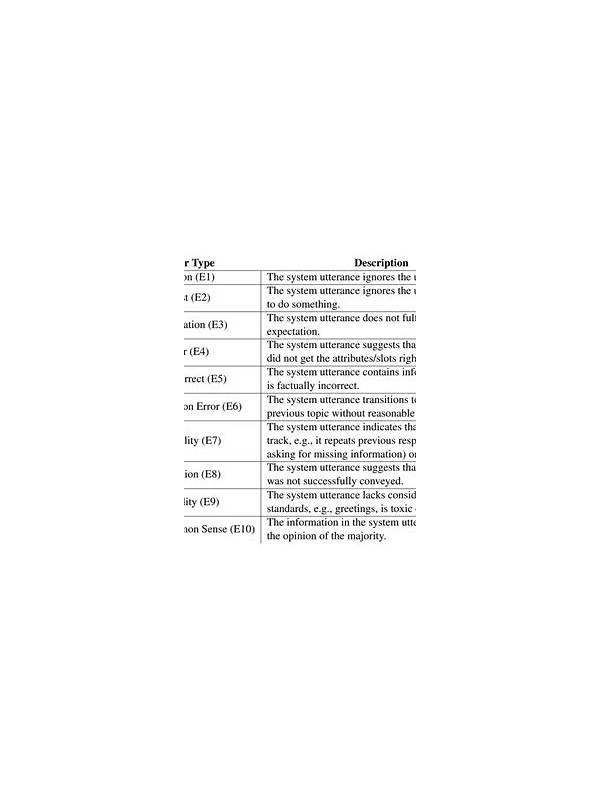
Start with four broad categories: rule errors, visibility errors, evaluation errors, and timing errors. A rule error includes misunderstanding a valid group or scoring condition. A visibility error happens when you overlook a card, discard, or table detail. An evaluation error means you saw the information but judged a route, value, or risk poorly. A timing error occurs when a reasonable action was taken too early or too late.
After a practice hand, record only one or two moments. Describe what you knew at the time, what you chose, and which category best fits the problem. If you were unsure about a rule, do not label the outcome as strategy failure. If you understood the rule but missed a visible connection, classify it as a scan problem. Accurate labels prevent you from practicing the wrong skill.
Add a second layer when a broad category appears repeatedly. Evaluation errors might become “overvalued a pair,” “ignored discard cost,” or “counted an overlapping card twice.” Timing errors might become “held a stalled route too long” or “declared before checking every group.” Keep the list short enough to remember during play.
Turn one frequent error into a weekly drill. For an overlap problem, sort sample hands and mark cards that serve two roles. For a timing problem, give each unfinished route a review turn and practice releasing it. For a rule problem, write three valid and three invalid examples using the exact format you play. Repetition is more useful than collecting dozens of observations.
Review the taxonomy after several sessions. A category should change when your behavior changes, not merely when your results improve. You can lose with a sound decision and win after an avoidable error. Judge the process using the information available before the result was known.
The taxonomy is a private learning tool, not a way to criticize yourself or other players. Use neutral language, focus on one observable choice, and stop the review when it becomes repetitive. Clear categories make practice calmer because they turn frustration into a specific next experiment.
Keep the record factual enough that another reader could understand the moment without knowing your feelings. “I discarded the connector after seeing a pair” is more useful than “I panicked.” You can still acknowledge emotion separately, because rushed or angry play may be a timing factor. The taxonomy should explain what happened and point toward a controllable response.
Related Post

Rummy FAQ: Should You Keep a Card to Block an Opponent?
Holding a card solely to deny another player can be sensible briefly, but your own [...]
Rummy FAQ: Can You Change Plans Too Often?
Frequent plan changes can waste cards and attention, so switches should follow evidence and have [...]