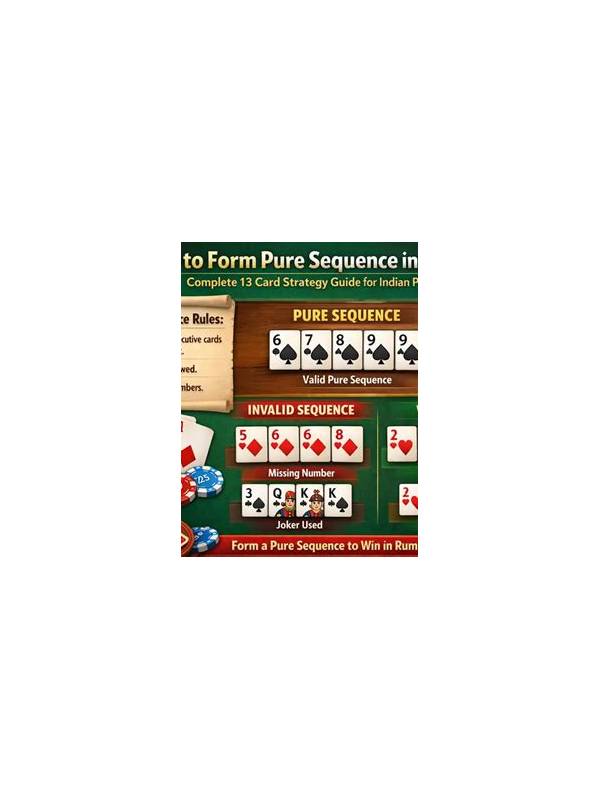
Rummy Comparison: Natural Sequences Versus Set Completion
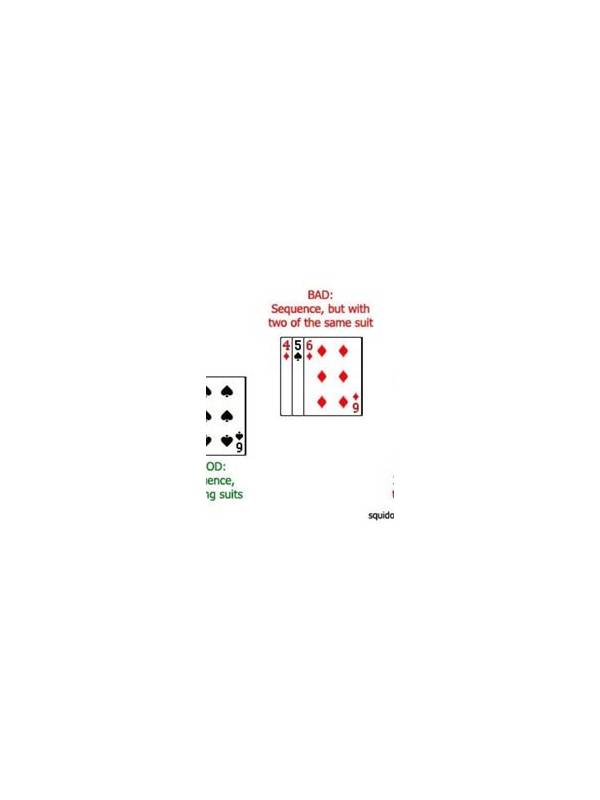
Natural sequences and sets solve different problems in rummy. A natural sequence depends on consecutive cards of one suit, while a set depends on matching ranks in different suits. The stronger choice is not universal. It depends on what your hand already contains, what the rules require, and how many realistic cards can improve each plan.
Sequences often offer more visible structure. A connected pair can become a run with one neighboring card, and a longer sequence may absorb additional cards. However, the suit requirement can make a plan narrow. A pair of sevens can be less orderly than a sequence, but it may have several suit options and can become useful if another seven appears.
Sets have their own risks. A rank may be popular with several players, reducing the practical chance of finding the needed copy. Holding two cards of the same rank can also tempt you to protect a plan that has no supporting evidence. On the other hand, a set can rescue cards that do not connect by suit and may be a sensible secondary route when a sequence is blocked.
Compare plans using three measures: cards already committed, number of plausible improvements, and penalty if the plan fails. Give extra weight to any requirement for a pure sequence. A beautiful set does not compensate for ignoring a mandatory condition. Also check whether the same card is needed by both plans; preserving one route may quietly destroy the other.
The practical answer is often to keep one strong sequence route and one modest set route early, then narrow as evidence arrives. Do not force a set because it is almost complete, and do not worship a sequence because it looks elegant. Choose the structure that lowers your missing-card count while leaving a safe exit if the next few draws do not cooperate. Keep the comparison tied to the actual rules of the table. Some formats require particular sequences, limit the use of wild cards, or score sets and sequences differently. A plan that is mathematically attractive in one version may be illegal or inefficient in another. Before play, confirm the declaration conditions and penalty system. Then evaluate natural sequences and sets within that framework, rather than importing assumptions from a different rummy variant. The comparison also changes when you are ahead or behind in a multi-hand format. A stable, lower-variance route may be preferable while protecting a lead. When recovery is necessary, a narrower route can be considered, but it should be recognized as a deliberate risk. Naming that trade-off prevents an aggressive plan from masquerading as the only sensible option.
Related Post
Rummy Tips: Read the Gap Between Connected Cards
Learn how the size and location of a gap changes the value of connected cards. [...]
Rummy Comparison: Open-Ended Draws and Inside Draws
Open-ended and inside sequence draws differ in flexibility, so comparing them requires more than counting [...]