Rummy FAQ: Why Can a Joker Hide Weak Structure?
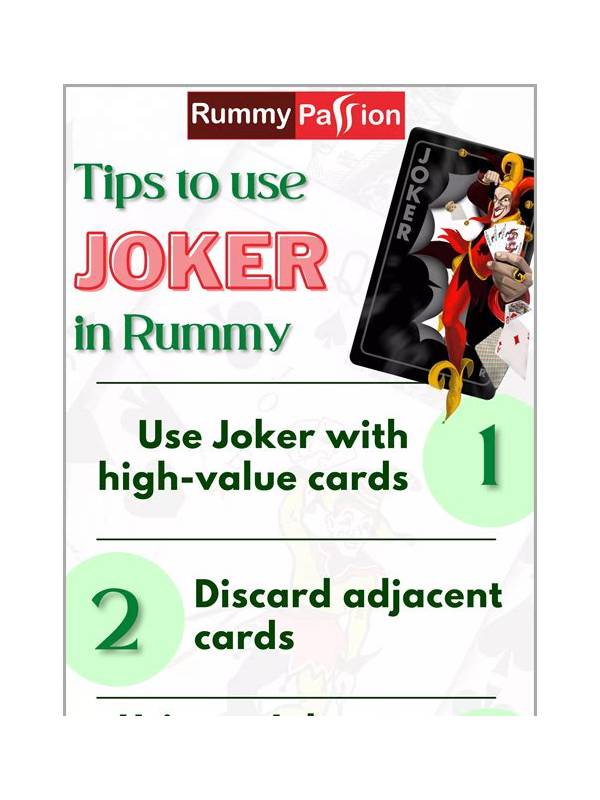
A joker is flexible, but flexibility can make a weak hand look finished sooner than it really is. When a joker fills an obvious gap, attention may move away from the remaining cards. The result is a hand with one attractive group and several unresolved dependencies.
To test the structure, temporarily remove the joker from your mental grouping. What natural groups remain? If the answer is only a pair or a collection of isolated cards, the joker is carrying too much of the plan. That does not make the joker bad; it tells you that the rest of the hand needs a deliberate review.
Consider the joker’s assignment as a tradeoff. Using it in a sequence may secure a required group, while saving it for a set could preserve another route. Compare the number of routes each assignment enables and the consequences if no further helpful card arrives. A joker that completes one group but traps the rest may be less valuable than one that supports a broader structure.
Also check whether the group you are building satisfies the format’s natural-sequence requirements. A joker cannot replace every requirement, and a complete-looking set may not be enough for a valid declaration. Always verify the local rules before depending on a wildcard.
Review the hand after each joker decision. The assignment is not sacred simply because it was made earlier. A later draw can create a natural group elsewhere and free the joker for a more constrained route. Strong use of a joker means giving it a specific job, reviewing that job as information changes, and refusing to let it distract you from the ungrouped cards.
One practical exercise is to review a hand twice: once with the joker assigned to its obvious gap and once with it assigned elsewhere. Compare the leftover cards in both versions. The better assignment is usually the one that leaves fewer rigid, high-cost, or rule-sensitive cards. This test takes little time and makes the joker’s value depend on the whole structure rather than on the first pattern you notice.
Remember that a joker is a tool, not evidence that the hand is healthy. After assigning it, count the cards that still have no immediate job and identify the narrowest requirement. If that requirement has no backup, set a deadline or change routes. This keeps the wildcard from encouraging passive waiting while the rest of the hand quietly loses flexibility.
Related Post
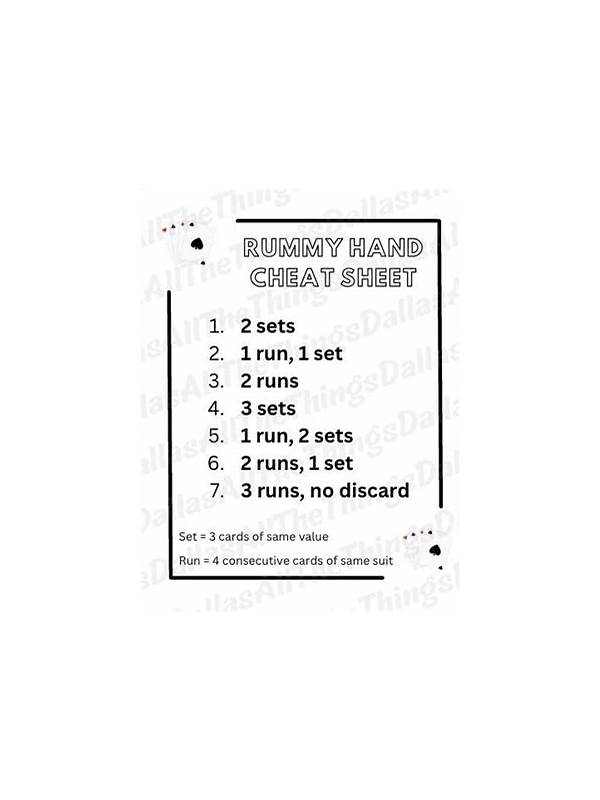
Rummy Guide: Compare a Hand by Completion Distance
Measuring how far each group is from validity can make a crowded rummy hand easier [...]
Rummy Comparison: Exact-Rule Knowledge Versus Pattern Recognition
See how rule knowledge and visual pattern recognition work together when evaluating a rummy hand. [...]