Rummy Hand Mapping: Turn Thirteen Cards Into Clear Groups
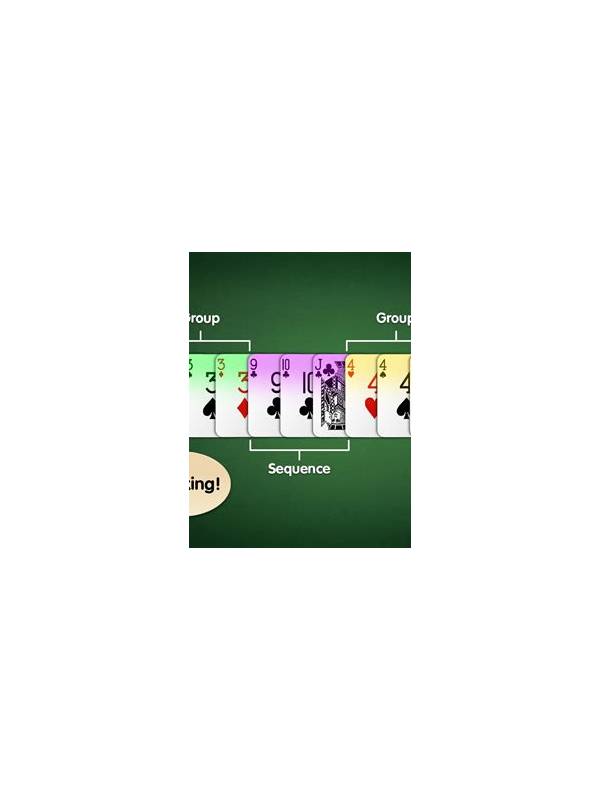
When a thirteen-card rummy hand feels confusing, the problem is often visual rather than mathematical. Cards are being considered one at a time, so it is difficult to see which ideas support each other. A hand map is a simple way to turn that collection of cards into a few working groups.
Start by writing each card in a consistent order, usually by suit and then by rank. Do not decide that a group is final immediately. Instead, place cards into three categories: confirmed structure, promising connection, and loose card. A confirmed structure is a group that already follows the active rules. A promising connection has a realistic missing card or two. A loose card has no strong current relationship to the rest of the hand.
Next, mark cards that could serve more than one plan. For example, a middle card may connect to both lower and higher cards of the same suit. A card with two possible uses deserves attention, but it should not automatically be protected. Compare its flexibility with the strength of the groups it might complete. A speculative link is less valuable when it requires several unlikely draws.
After mapping the hand, count how many cards are not helping a practical plan. This count is more useful than simply counting pairs. Two pairs may look promising, yet both may need different missing cards. Meanwhile, a three-card sequence and one flexible connector may be a much stronger starting structure.
Use the map again after every draw. A new card may complete a group, remove a gap, or make an old idea less attractive. Avoid carrying yesterday’s plan into the current hand just because it looked good earlier. Rummy decisions depend on the cards now available and the rules of the table.
The method is also useful for practice. Take a random hand, spend thirty seconds mapping it, and write down the first card you would release and why. Then compare that reason with the alternatives. The goal is not to predict the winning draw. It is to make your reasoning visible, consistent, and easier to review.
Keep the map lightweight. A few marks beside the cards are enough. If arranging information takes longer than assessing the hand, simplify it. A good hand map reduces clutter, protects dependable groups, and highlights the decisions that actually matter.
It can help to name each plan briefly, such as “made sequence,” “one-gap sequence,” or “loose cards.” Plain labels prevent a dramatic-looking combination from receiving more attention than it deserves. Change the map whenever the cards provide new evidence.
Related Post
Rummy Hand Anatomy: Read Structure Before Strategy
Understanding the parts of a thirteen-card hand gives beginners a calmer way to make decisions. [...]
Rummy Safety: Set a Cooling-Off Rule for In-Game Spending
A pre-set cooling-off rule creates space between an emotional moment and a spending decision. [...]