Rummy Comparison: Drawing Speed Versus Hand Clarity
Drawing quickly and organizing clearly are different skills. Speed can help when a table has a short timer, while clarity prevents accidental discards and invalid declarations. Comparing them is useful because neither should dominate every moment. The right balance depends on whether the next action is routine or could change the entire structure of your hand.
Speed is valuable during low-risk steps. If a card obviously has no connection, the rules are familiar, and your discard plan is unchanged, a quick action reduces hesitation. It also leaves more time for genuinely difficult turns. However, speed becomes dangerous when it is used to avoid inspecting overlaps, duplicate ranks, joker assignments, or the effect of a discard on an opponent.
Clarity requires a repeatable layout. Group cards by the route you are considering, but keep uncertain cards visibly separate. Do not hide a loose card inside a sequence because it looks attractive. A clean layout lets you see which cards are committed, which are flexible, and which are merely being held temporarily. This is especially important after a new draw, when the easiest visual grouping may not be the best strategic grouping.
Use a two-speed routine. Make ordinary draws and obvious discards promptly, then slow down for a trigger. Triggers include taking from the discard pile, breaking a completed-looking group, moving a joker, changing your main route, or preparing to declare. At a trigger, scan the full hand, confirm the format requirement, and check whether the action creates a new risk.
Measure the routine by errors, not by raw seconds. If faster play produces missed opportunities or illegal arrangements, it is not efficient. If excessive sorting makes every turn stressful, simplify the layout and reserve deep review for triggers. A good player is not always fast or always careful. A good player recognizes which moments deserve attention and uses a consistent pace for each kind of decision.
You can practice the distinction away from a live table. Deal a sample hand, mark the routine actions, and identify the turns that should trigger a slower scan. Then repeat the exercise with one card changed. If the trigger points remain sensible while the chosen discard changes, your process is responding to structure rather than memorizing an answer. That is the useful form of speed: preparation that leaves attention for exceptions. The habit becomes stronger when you review one exception after each practice session. This gives speed a learning purpose and makes careful moments easier to recognize.
Related Post
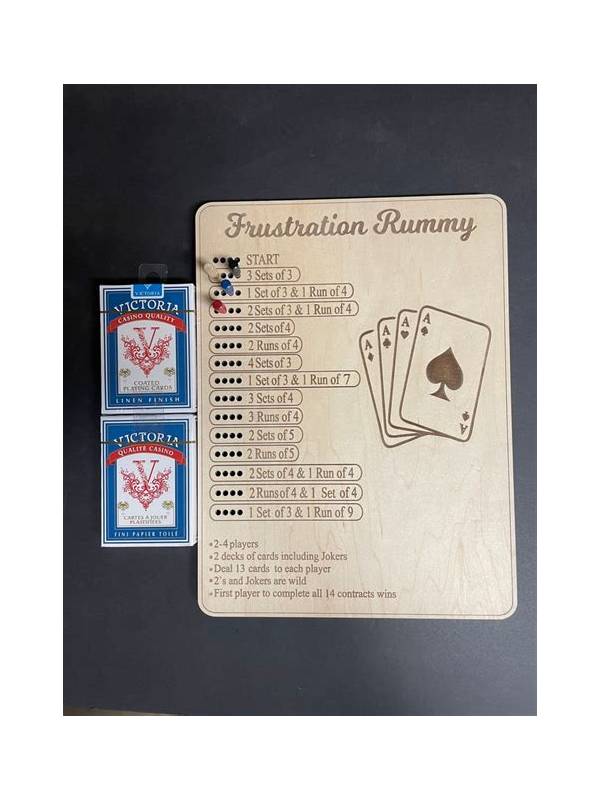
Rummy Practice With a Standard Deck at Home
A standard deck and a few structured exercises can teach rummy grouping without an online [...]
How to Notice Tilt During a Rummy Session
Recognizing emotional tilt early gives rummy players a practical chance to pause before decisions become [...]