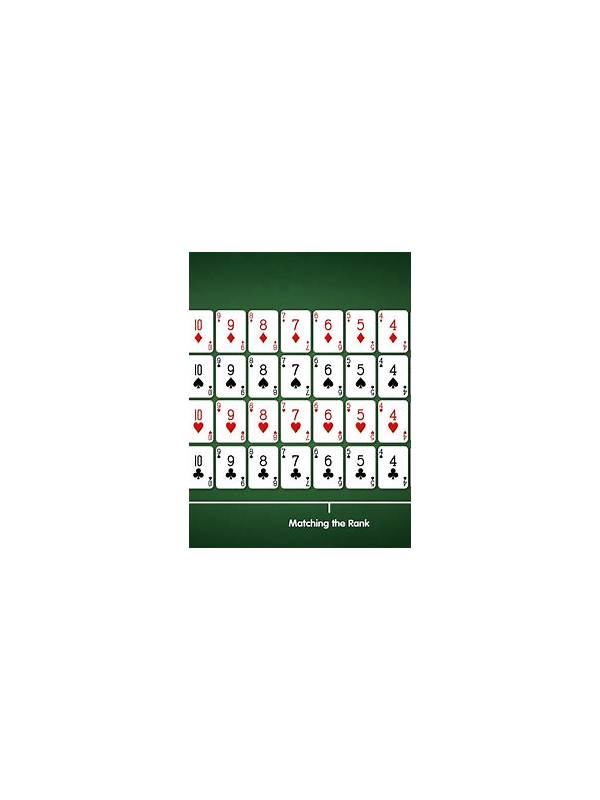
Rummy Guide: Balance Suits Before Chasing Perfect Combinations
When a new rummy hand looks attractive, it is easy to focus on one exciting pair or a nearly complete run. A quieter question is often more useful: how balanced are the suits in the cards you are holding? Suit balance does not determine the result, but it can reveal whether your current plan is flexible or dangerously narrow.
Start by grouping your cards by suit, then mark every card that has a realistic connection. A six of hearts may connect to a five or seven of hearts, while a matching six in another suit may help form a set. Cards with both kinds of possibilities deserve attention. Isolated high cards deserve less, especially when they do not share a suit with any useful neighbor.
Do not treat an even number of cards in each suit as automatically good. A hand with three hearts can be stronger than a hand with four hearts if the first group contains consecutive values. The purpose of the check is to compare opportunities, not to chase symmetry. Ask which suit offers a natural sequence, which cards can join a set, and which cards depend on a very specific draw.
After this scan, choose a primary direction and a backup. For example, you might keep a connected heart pair while preserving one medium card that can join a set. Avoid holding several unrelated cards merely because they are distributed across different suits. Variety is useful only when it produces actual routes to valid melds.
Repeat the check after each meaningful draw. New information can make a previous favorite less valuable. If a card completes a natural sequence, your remaining loose cards should be judged by how quickly they can become part of another group. This simple reset prevents early assumptions from controlling the whole hand.
Suit balance is therefore a decision aid, not a rigid formula. It helps you see concentration, flexibility, and waste at a glance. Use it alongside card value, the visible discard history, and the rules of the particular table. A short structural check can turn a cluttered hand into a manageable set of choices.
An additional benefit is that the scan slows down premature excitement. A single attractive pair can dominate attention, even when the rest of the hand has no support for it. By naming the strongest suit route and the strongest value route, you can compare them rather than silently favoring the first pattern you noticed. That pause often leads to a cleaner discard and a more adaptable next turn.
Related Post
Rummy How-To: Convert a Failed Draw Into a New Question
A missed draw is easier to handle when it becomes a focused question about the [...]
Rummy Comparison: Concrete Practice Hands Versus Abstract Drills
Concrete hands build recognition while abstract rummy drills isolate one decision skill for focused improvement. [...]