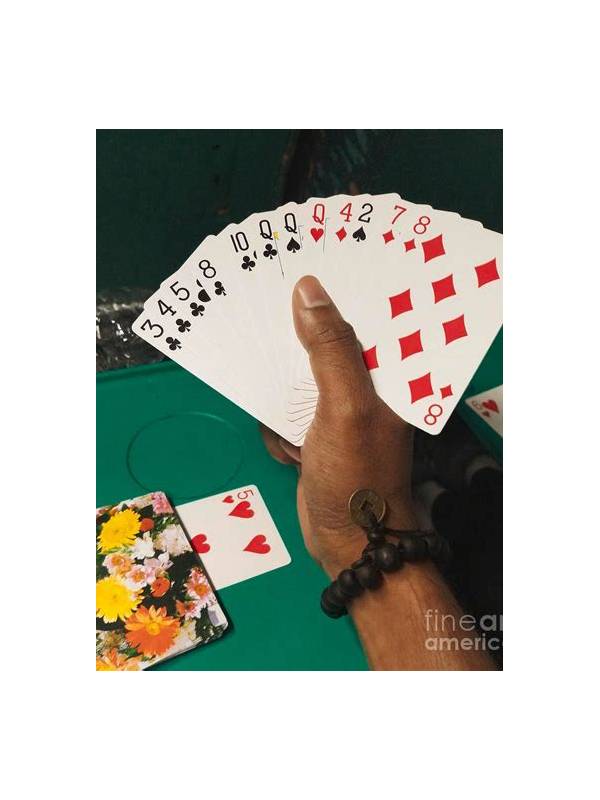
Rummy Tips: Use a Quiet Reset After a Confusing Turn
A confusing turn can make every remaining card look important. You may be tempted to keep the last plan alive, sort repeatedly, or make a fast discard simply to end the uncertainty. A quiet reset gives you a neutral starting point. It is a short process for restoring structure, not a promise that the next move will be obvious.
Begin by pausing for one breath and moving every uncertain card out of your main groups. Keep only arrangements that are valid or nearly certain under the table rules. This visual separation matters because an attractive partial sequence can hide the fact that it depends on several future cards. Loose cards are not failures; they are information about where the hand needs a new decision.
Name the strongest requirement first. If the format requires a pure sequence, identify the candidates that could serve it and protect the most realistic one. Then list one secondary route and one low-cost fallback. Do not create five plans. A reset is meant to reduce noise, so keep the comparison small enough to explain aloud in a few seconds.
Review the latest public information once. Check whether the discard pile changes the value of your routes, but do not replay every earlier turn. Ask whether the last card you took still has a job. If it no longer does, release it or another expensive loose card according to the best current comparison. Avoid keeping a card only because you recently chose it.
Finish by setting one condition for the next turn: a card that would improve the route, a deadline for abandoning it, or a declaration check. Then return to ordinary play. The reset works because it replaces emotional momentum with a small set of visible facts. Use it after an unexpected joker, a missed draw, a mistaken grouping, or any moment when the hand stops telling a coherent story.
If the timer is running, make the reset smaller rather than skipping it completely. Separate secure groups, identify the mandatory structure, and choose the least damaging legal discard. You can perform a deeper review after the hand. The purpose under pressure is to stop one confusing turn from creating three more errors. A brief reset is a practical safety rail for attention, not wasted time. Return to the hand only after its groups are readable again. If confusion continues, choose the safest legal simplification and save detailed analysis for the review.
Related Post

Best Rummy 213 Apps in India for Unmatched Gaming Experience
Best Rummy 213 Apps in India for Unmatched Gaming Experience Are you looking for the [...]
Rummy Comparison: Holding a Pair Versus Holding a Lone Connector
Compare the strengths and risks of keeping a duplicate rank against keeping a single card [...]