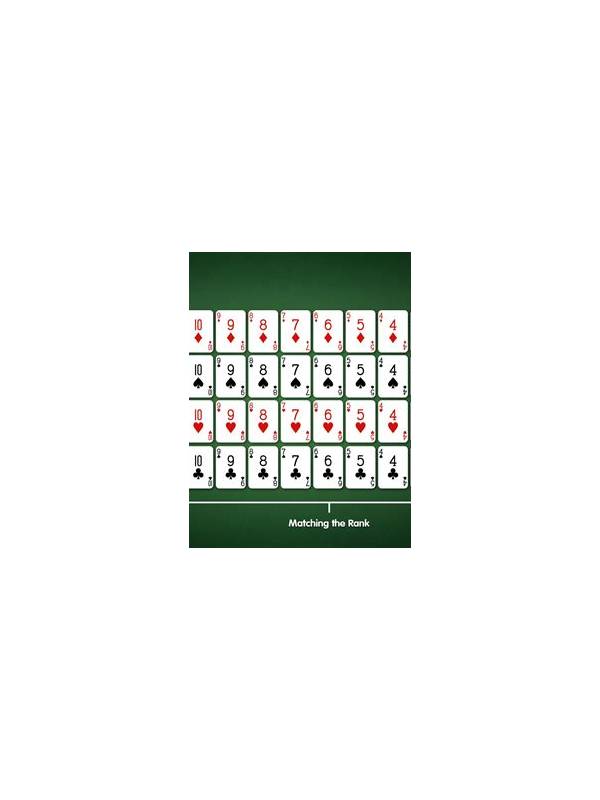
Rummy How-To: Build a Discard History in Three Columns
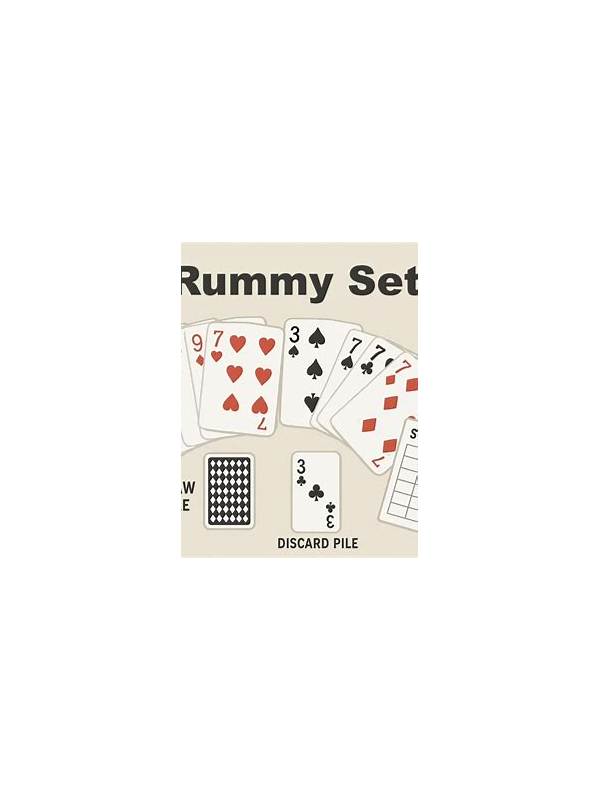
Tracking every card in a rummy hand is difficult, especially when the table moves quickly. A small discard history can provide useful evidence without turning the game into a bookkeeping exercise. The three-column method records what happened, how certain you are, and whether the information still matters.
In the first column, write the rank and suit of each important discard, or use a short mental label if notes are not allowed. Do not try to record every irrelevant card. Prioritize cards that connect to your current routes, cards repeatedly rejected by one player, and cards that complete a visible pattern. The first column is simply the evidence.
The second column describes the source. Mark whether the card came from the face-up discard pile, your own hand, or a sequence of observed turns. This matters because a card discarded by an opponent can tell you something about that opponent’s current priorities, while a card you discarded only tells you what is no longer in your hand. Keep the source separate from your interpretation.
The third column is a short status label: active, weakening, or expired. An active note affects a decision you may make soon. A weakening note was useful earlier but has fewer consequences now. An expired note no longer changes your best available choices. Updating this label prevents old information from receiving the same weight as fresh evidence.
For example, suppose you see a seven of hearts discarded while you hold the six and eight of hearts. The card is active because it may affect whether you continue that route. If several connected hearts later appear elsewhere, the note may weaken. If you abandon the route, it expires. The system follows your hand instead of becoming a separate task.
Review the three columns only at natural pauses: after your draw, before your discard, or after a hand ends. Avoid looking back after every card if doing so slows your decisions. The aim is a compact memory aid, not perfect reconstruction.
This method also improves post-game learning. You can ask whether an active note actually changed a choice, whether a source was misread, and whether you held an expired idea for too long. Over time, the history teaches you which observations are genuinely useful at your table and which merely feel interesting.
Related Post
Rummy Guide: Use a Counterfactual Discard Test
Compare a discard with its alternatives by imagining the next turn instead of defending the [...]
How to Set a Stop Time for an Online Rummy Session
A stop-time plan creates a clear boundary before an online rummy session becomes tiring or [...]