Rummy Safety: Separate Entertainment Spending From Essentials
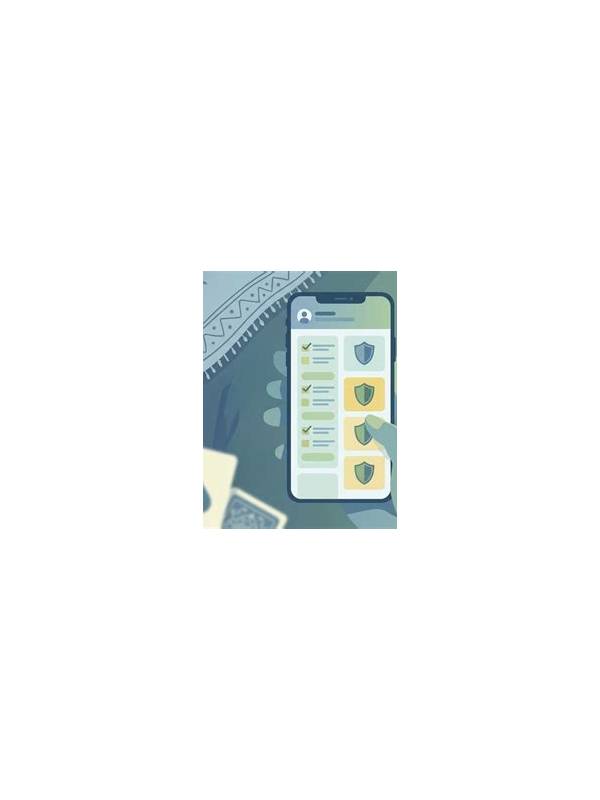
If a rummy platform involves deposits or paid entries, treat the money as entertainment spending rather than as income. Separating it from essential expenses creates a simple boundary that is easier to follow when a session becomes emotional or competitive.
Start with the essentials: housing, food, transport, bills, debt payments, and savings commitments. Money assigned to those categories should not be available for play. Create the entertainment amount only after those responsibilities are covered. If there is no comfortable discretionary amount, choose free practice or skip the session.
Use a fixed limit for both time and money. A money limit answers how much you are willing to spend during a defined period. A time limit reduces the chance that fatigue or frustration will lead to extra decisions. Set the limits before opening the app, and do not increase them to recover a loss. A new deposit is a new decision, not a continuation of the original budget.
Avoid confusing bonuses, winnings, or unused balance with guaranteed funds. Read the platform’s terms, including any restrictions, fees, expiry dates, or withdrawal conditions. Keep records of deposits and withdrawals so the real amount remains visible. If a transaction is unclear, stop and seek support through an official channel rather than guessing.
Warning signs include hiding spending, borrowing to continue, feeling unable to stop, or treating losses as a debt that must be recovered immediately. These signals deserve a pause and a conversation with someone trusted. Payment controls offered by your bank or platform may help, but a personal boundary should not depend on willpower alone.
Do not share account credentials or payment codes with anyone claiming to help. Use secure, authorized payment methods and check the account history regularly. If the service is not legal or available where you live, do not use it.
Entertainment should remain optional. A written limit, a separate spending category, and a willingness to stop make that principle practical. No strategy can guarantee a return, so the only reliable protection is to use money you can afford to lose and keep essential finances completely outside the session. Consider using a cooling-off rule after a loss or a surprising win. For example, end the session when the preset limit is reached and wait until the next planned period before deciding whether to play again. This separates a financial decision from the emotional momentum of the table and makes the original budget easier to respect.
Related Post
Yono Rummy Beginner Strategy Tips for Better Decisions
Beginner strategy ideas for reading a hand, tracking discards, and managing time and spending during [...]
Rummy Safety: Create a Pause After a Frustrating Hand
A planned pause after a frustrating rummy hand protects decision quality and spending boundaries. [...]