Rummy FAQ: When Should You Separate a Nearly Complete Pair?
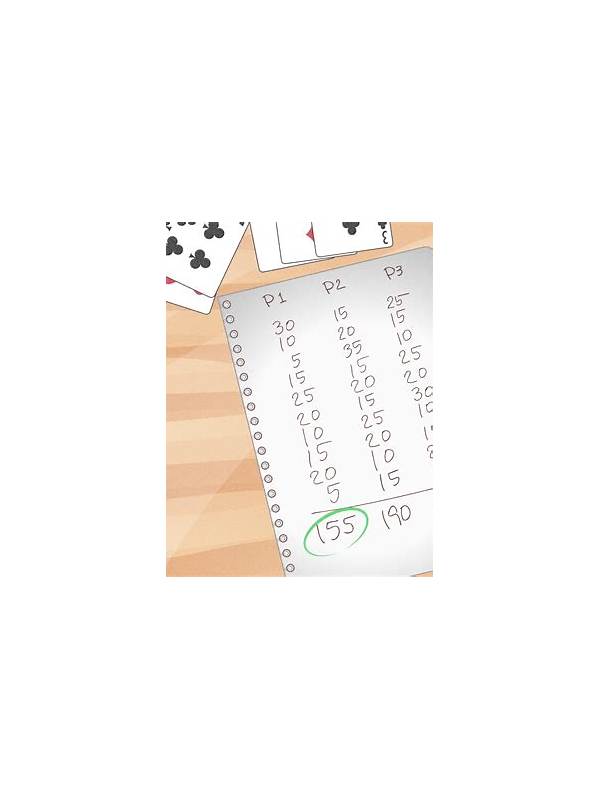
A nearly complete pair can feel too valuable to release. Yet keeping it automatically can make a hand rigid. The right choice depends on the pair’s possible improvements, the cost of the cards around it, and how much time the format gives you to wait.
First ask whether the pair has a clear route to a valid sequence or set. Two cards of the same suit with adjacent values have a different outlook from two unrelated cards of the same value. Then ask how many useful cards remain in that route. If the plan needs one exact card and several turns have passed without progress, its practical value may be lower than its emotional appeal.
Consider the cards you are holding only because of the pair. A pair that keeps two high, unconnected cards alive may cost more than it offers. Separating it can free a slot for a card that immediately connects elsewhere. Conversely, if the pair consists of low cards and supports more than one possible meld, protecting it may be sensible even when it is not yet complete.
Timing matters. Early in a hand, preserving a flexible pair can be reasonable because there is time to learn more. Later, the same pair may need to justify every turn. Compare the pair with your best current structure, not with the hand you imagined when the cards first arrived.
The discard history provides another clue. If cards that would complete the pair are appearing and being taken, the route may be active. If several needed cards are visible in the discard pile, continuing to wait may be a poor use of space. Avoid assuming that an opponent’s pickup reveals their full plan, but do treat it as information.
Separating a pair is not admitting that the original idea was foolish. It is a normal update after new evidence. Before discarding, pause and name the alternative: which card would you keep, and what immediate connection does it create? If you cannot answer, hold briefly and reassess on the next turn. If you can answer clearly, the separation may be the disciplined move that improves the whole hand.
One useful safeguard is to set a deadline for the pair. It might be the next two draws or the point at which your hand reaches a certain stage. A deadline keeps a low-cost experiment from becoming a permanent attachment. When it arrives, compare the pair with the best replacement using the same evidence you would use for any other discard.
Related Post
Rummy Sequence Building with Two Flexible Connectors
Learning how to compare two-card connectors can make sequence building more flexible in a thirteen-card [...]
Rummy Guide: Score Uncertainty Before Choosing a Draw
A simple uncertainty score helps compare a promising draw with a broader but less exciting [...]