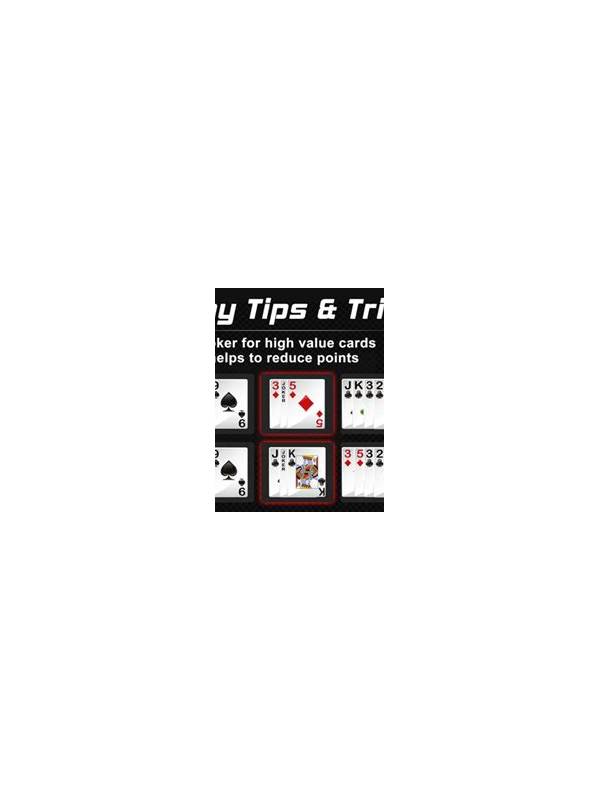
Rummy Comparison: Sorting Cards by Suit or by Value

Sorting cards visually and sorting them mentally are different skills. Visual sorting places cards into clear groups on the screen or in your notes. Mental sorting keeps possible relationships in your head while the hand remains unchanged. Both can help, but each has a different cost when the hand becomes complicated.
Visual sorting is usually easier for a new player. Grouping cards by suit can make sequence opportunities obvious, while grouping by value can expose possible sets. A separated “uncertain” area prevents weak combinations from being mistaken for completed melds. The main risk is commitment: once cards look grouped, you may resist breaking a group even when new information makes it poor.
Mental sorting is more flexible. You can remember that one card supports a sequence while another supports a set, even before choosing a final arrangement. This helps when several cards overlap. The drawback is working-memory pressure. Fast play, small screens, interruptions, and emotional stress can make a mental picture unreliable.
A hybrid method is often practical. First use a visual arrangement to identify confirmed structures, loose cards, and flexible connectors. Then keep only two or three live possibilities in mind. After each draw, update those possibilities and remove routes that no longer make sense. This preserves flexibility without requiring you to remember every theoretical combination.
Choose based on error reduction, not style. If you frequently overlook a same-suit neighbor, visual grouping may help. If you frequently become attached to a displayed group, use a neutral layout and verbalize its alternatives. Players with eyesight or motor limitations can increase text size, use accessibility features, or choose slower formats when available.
Practice both methods with the same sample hand. Spend one minute sorting visibly, then one minute describing the routes without moving cards. Compare which method lets you explain what you would discard and why. The strongest system is the one that leaves you with a clear next decision, not the one that looks most organized.
Also consider the device itself. A crowded layout, glare, or small type can turn visual sorting into a source of errors. Adjust brightness, enlarge text where possible, and take a pause if your eyes are tired. Good organization includes making the information comfortable enough to inspect accurately.
Try changing the sorting method only at a natural pause, such as after a draw. Mid-click rearrangements can create selection mistakes, especially on a touch screen.
The pause also gives you time to confirm the discard.
Related Post

Yono Rummy Download Safety Checklist for Android Users
Use this verification checklist before downloading a Yono Rummy-branded Android app, especially when listings and [...]
Rummy Safety: Verify a Payment Notice Independently
Independent verification helps players avoid acting on convincing but fraudulent payment messages. [...]