Rummy FAQ: Should You Copy an Opponent’s Discard Pattern?
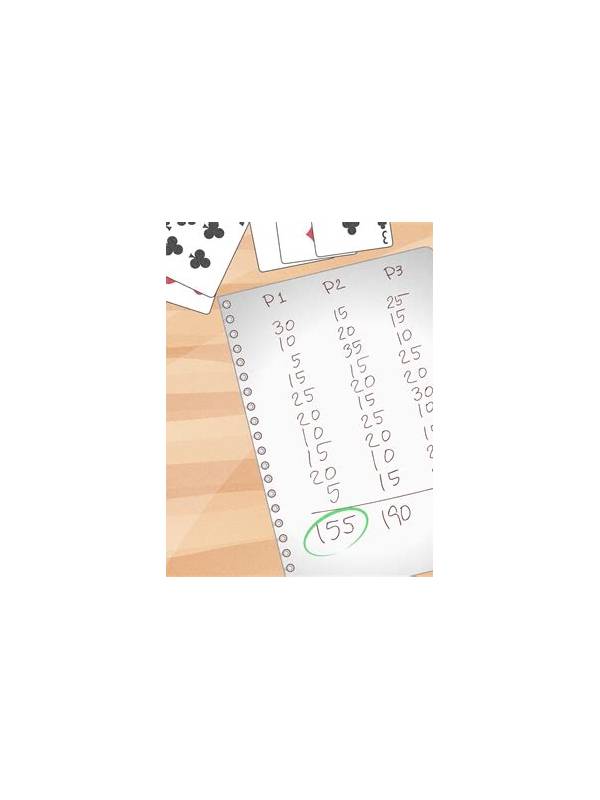
No. You can observe an opponent’s discards, but you should not copy their pattern as a rule. They have different cards, goals, and information from you. A card they release may be useless in their hand while being valuable in yours, or it may be a deliberate attempt to shape what you believe.
Use the pattern as a question. Are they repeatedly releasing cards from one suit? Have they passed on cards that would complete a visible connection? Are their choices changing as the hand advances? These observations can adjust your estimate of what they may want, but they cannot identify their complete arrangement.
Your own hand remains the first filter. A discard that would weaken a confirmed group is usually not justified merely because another player released a similar card. Likewise, a high singleton with no clear role may still be the best release even if you suspect an opponent could use it. Compare the concrete cost to your hand with the uncertain cost to theirs.
Timing matters. A single early discard contains little context. Several consistent actions are more informative, especially when they involve taking from or avoiding the discard pile. Even then, players can change plans and may be reacting to cards you cannot see. Treat patterns as probabilities, not facts.
Avoid turning observation into hesitation. Some players notice every opponent action but fail to make a clear discard themselves. Set a short review window: identify your best candidates, add the strongest table clue, and decide. If the clue does not separate the candidates, return to structure and choose the lower-cost card.
After the hand, review whether an observed pattern actually helped. Did it improve your choice, or did it make you hold a weak card too long? This distinction is useful because attention is limited. Good observation supports your plan; it does not replace one.
There is also a social benefit to avoiding imitation. Copying can make your play appear predictable and can encourage you to ignore the rules of the format you are actually in. Maintain a consistent, respectful routine: observe quietly, make legal decisions, and let your own hand provide the strongest evidence. Remember that discard patterns can be affected by format, turn order, and simple preference. A player may release a card because it is inconvenient to organize, not because it is useless. The safest interpretation is usually the narrowest one supported by repeated actions. Use the clue to ask a better question, then return to your own structure and scoring needs.
Related Post
Rummy Safety: Verify Rule Variants Before Using Familiar Advice
Familiar rummy advice can fail when the table uses different meld, wild-card, or scoring rules. [...]
Rummy FAQ: Should You Draw From the Discard Area?
Decide whether a visible discard improves your plan enough to justify revealing interest. [...]