Reading a Rummy Scoreboard Without Misreading Momentum
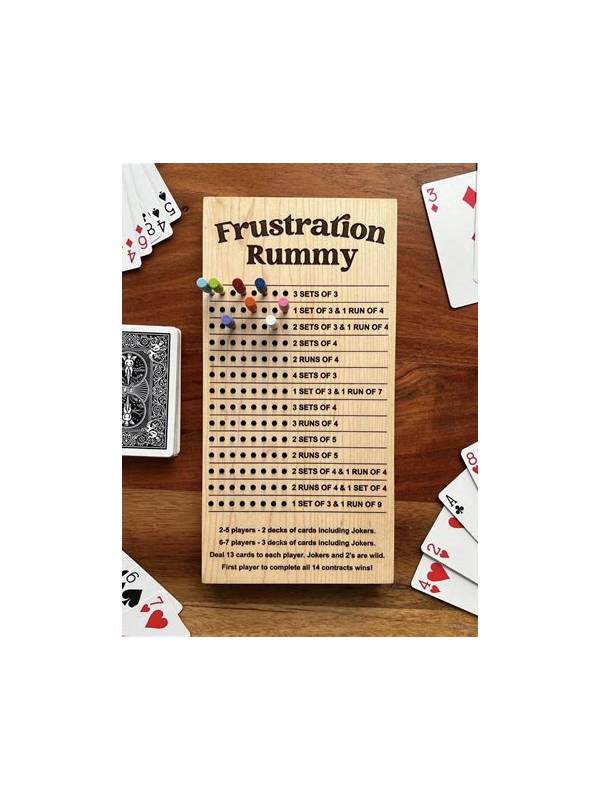
A scoreboard is useful because it records outcomes, but it does not explain every card choice that produced them. In a points or pool format, a leading total can make a player feel safe while a small loss can feel urgent. Both reactions may distort the next hand. Reading the scoreboard well means separating information from emotion and using only the parts that actually affect the format.
Start with the scoring system
Before interpreting a number, confirm what it represents. Some tables show points from the current hand, some show a cumulative total, and some display chips or an entry value rather than a score. A low number is not automatically good or bad. Its meaning depends on whether players are trying to minimize points, reach a target, protect a pool, or win a single deal.
Write down the win condition in one plain sentence. For example: “Lower cumulative points are better,” or “The hand winner receives the agreed deal value.” This small translation prevents you from importing assumptions from another rummy variant.
Separate trend from sample size
One result is an observation, not a trend. Even three hands can be too small to describe a playing pattern. Instead of saying, “I am on a streak,” record neutral facts: the last hand ended early, two high cards remained ungrouped, or an opponent took a visible discard. These details can guide review; the scoreboard alone cannot prove that your choices are improving.
If you compare sessions, use the same number of hands or the same time window. A short session with one excellent result should not be compared casually with a long session containing many ordinary hands.
Use the board for planning, not chasing
Scores may affect a format-level choice, such as selecting a table or deciding whether to continue within a planned limit. They should not create a new goal in the middle of a hand. Chasing a deficit often encourages speculative draws, while protecting a lead can cause excessive passivity. Return to the hand’s structure: which groups are strongest, which card has the least use, and how many arrivals are required?
It can help to cover the scoreboard briefly at the start of a turn review. Look first at the cards, then at the board, and finally at the decision limit you set before play. This order prevents a dramatic total from becoming the first thing you see. If the score is relevant to a format rule, write that rule down; if it is only a running comparison, treat it as background information.
After the hand, review the score and the decisions separately. Ask whether the result changed your plan or merely your feelings. A scoreboard becomes helpful when it supports consistent records, not when it becomes a verdict on your skill.
Related Post
Rummy Comparison: Low Cards Versus High Cards as Discards
Compare point exposure, connection potential, and hand structure before deciding which unmatched card to release. [...]
Rummy Guide: Track the Cost of a Convenient Draw
A practical way to judge whether an attractive draw improves your hand or quietly creates [...]