Rummy Tips: Give Each Unfinished Group a Deadline
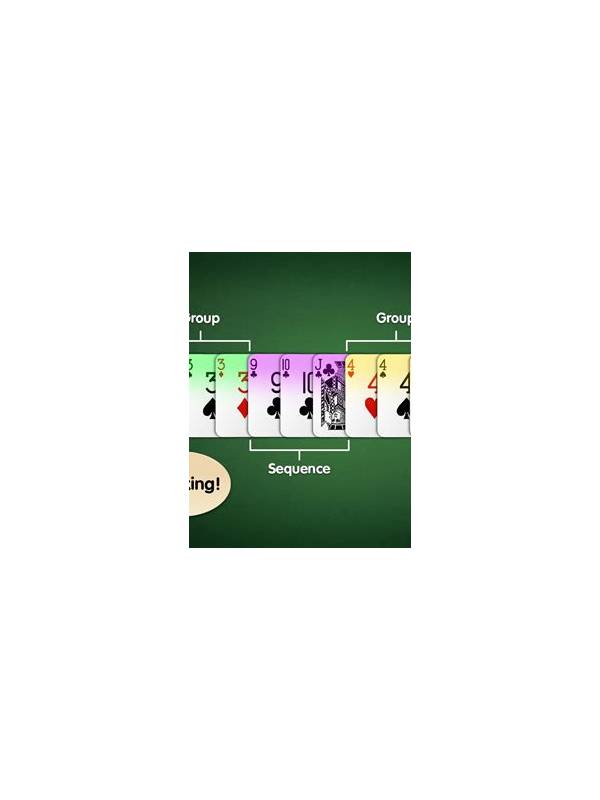
An unfinished group can feel valuable because it already contains part of a sequence or set. The danger is holding it long after its chances have become poor. Giving each uncertain group a deadline creates a clear moment for reassessment and makes your discards less dependent on hope.
Define the deadline
A deadline is not a prediction about the exact next card. It is a checkpoint such as “reconsider after two turns” or “reconsider when another group becomes complete.” Keep it simple enough to remember. The deadline should be based on the group’s narrowness, point cost, and competition for cards with other routes.
For example, a two-card connection that needs one of several neighbors may deserve more time than a pair that needs one specific rank. A high-value isolated card may deserve an earlier checkpoint even if it looks easy to replace. There is no universal number; the point is to make the review intentional.
Reassess with evidence
When the deadline arrives, ask four questions. How many cards can still improve the group? Have any relevant cards appeared or disappeared? Does keeping it block a stronger arrangement? What would happen to the hand if you released it now? These questions turn “maybe” into a comparison.
Do not count every theoretical card as equally useful. A card that creates a second weak group may not be a real improvement. Consider whether the arrival would leave a legal, low-risk structure or merely move the uncertainty elsewhere.
Keep the rule flexible
A deadline is a guardrail, not an automatic discard command. You may extend it when new information materially improves the route, or end it early when the hand develops a better plan. Record the reason for either change. “A new neighbor appeared” is useful; “it felt lucky” is a signal to review more carefully.
This habit also improves post-game analysis. Instead of saying you held a card too long, you can ask whether the deadline was too generous, the route was evaluated incorrectly, or the checkpoint was forgotten. Small deadlines create practical feedback and protect attention for the groups that can genuinely improve the hand.
Write the deadline in a way that survives a fast table: “review after next draw” is easier to remember than a detailed calculation. If the interface allows a private note, use a neutral label rather than an emotional one. A calm reminder makes it easier to release a favorite route when the evidence no longer supports it.
Related Post

Rummy Safety: Verify App Updates Before Entering Account Details
Checking an app update source and permissions can reduce avoidable account and privacy risks. [...]
Rummy Tips: Measure Improvement by Decision Quality
A practical way to judge rummy progress by the quality of choices rather than only [...]