Rummy Guide: Use a Minimum-Commitment Opening
A minimum-commitment opening is a way to begin organizing a hand without deciding too early that one narrow route must succeed. The approach is useful when several cards look promising but none has enough support to justify a full commitment.
Find the firmest structure
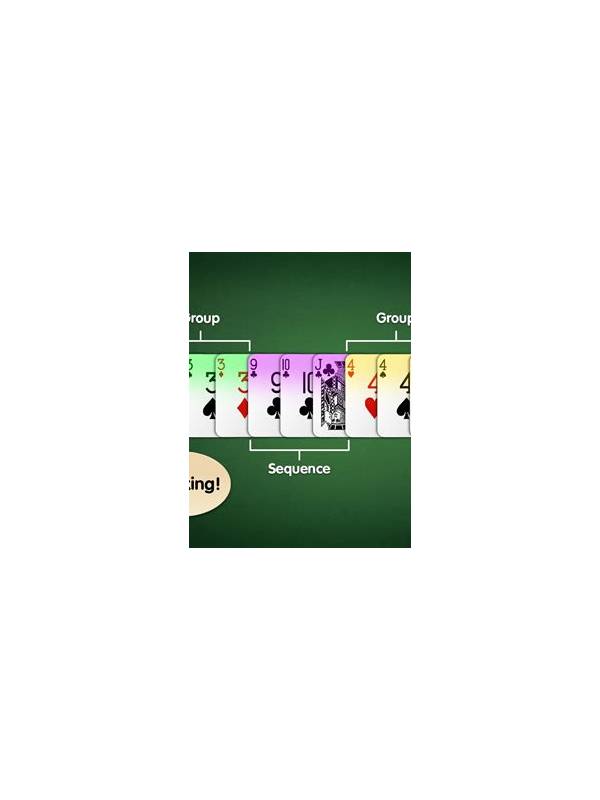
Sort the hand and identify any confirmed group first. If there is no confirmed group, find the connection with the strongest evidence: adjacent cards in one suit, matching ranks with multiple available suits, or a joker-supported group under the stated rules. Call this the anchor. Everything else remains provisional.
Do not force every card into a group immediately. Mark one or two cards as uncertain and note what they would need. This keeps the hand readable and prevents a weak pair from receiving the same attention as a nearly complete sequence.
Preserve two routes
After choosing an anchor, keep a second route alive when doing so costs little. The second route might use a different suit, a set rather than a sequence, or a flexible card that connects to more than one arrangement. The aim is not to collect every possibility. It is to avoid making the entire hand depend on one exact arrival.
Compare routes by required arrivals and by damage if they fail. A route that needs one of four cards may be more practical than one that needs one specific card, even if the latter looks elegant. A route that breaks a confirmed group should carry a higher commitment cost.
Revisit after information arrives
An opening with limited commitment is especially helpful after an unfamiliar deal or a rules change. It gives you room to verify what the table allows before investing the hand in an assumption. Keep the language practical: “anchor, backup, uncertain” is enough. A small vocabulary reduces mental clutter and leaves more attention for the next draw.
The minimum-commitment opening lasts only until the hand gives you better evidence. After a few draws, ask whether one route has clearly improved, whether the backup still uses useful cards, and which card now has the narrowest role. Then commit gradually. A plan can become firm when the structure earns that confidence.
This method does not promise a winning hand. It improves the quality of early decisions by matching commitment to evidence. In review, note the first moment you had enough information to choose one route. That moment is more instructive than whether the original opening eventually succeeded.
Related Post

Rummy Strategy: Use Negative Space in a Crowded Hand
Looking at what a rummy hand cannot support can reveal which cards deserve less commitment. [...]
Rummy Safety: Check Session Conditions Before Rejoining
Before returning to a rummy table, verify the table, timer, balance, and connection instead of [...]