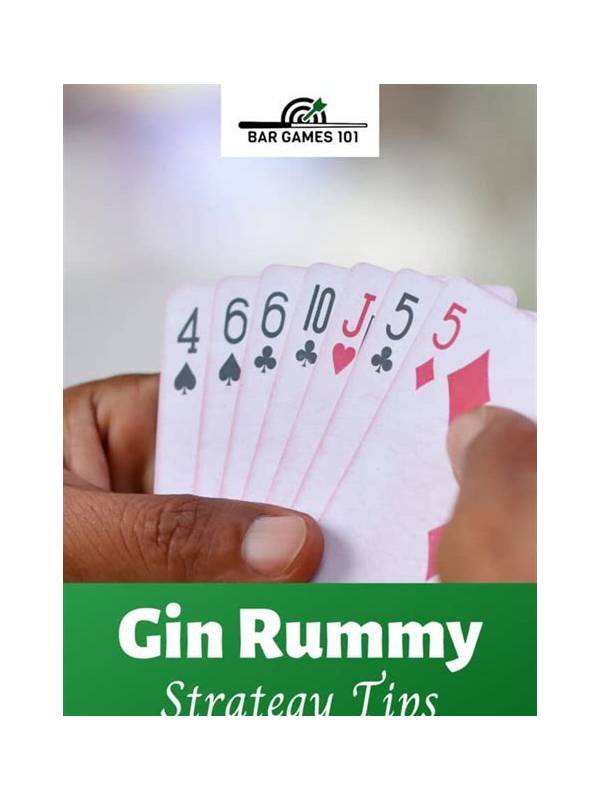
Rummy How-To: Explain a Joker Decision Step by Step

A joker can solve an immediate gap, preserve a high-value card, or keep several routes alive. Because it is flexible, players sometimes use it quickly without comparing its alternatives. Explaining the decision step by step makes the choice easier to review and less driven by excitement.
Confirm the table rule
First check how the variant treats wild and printed jokers. Rules may differ on pure sequences, sets, replacement, and declaration requirements. A move that is legal in one format may be invalid in another. If the rule is unclear, pause and read the table’s official explanation before arranging the hand around the joker.
List the joker’s current roles
Write down every realistic job, not every imaginable job. It may complete a sequence, complete a set, reduce penalty exposure, or protect a confirmed group while another card is tested. Next to each job, note what remains unfinished. A joker that completes a group but leaves two isolated high cards may be less useful than one that supports a broader structure.
Compare flexibility with completion
Immediate completion has a visible benefit: fewer unfinished cards and a clearer hand. Flexibility has a different benefit: more possible improvements on later turns. Compare the number and quality of future routes. Do not count a route if it requires breaking a stronger group or waiting for several exact cards.
Consider the hand’s stage as well. Early in a hand, preserving options may matter more. Near a declaration, a legal completed structure may matter more than theoretical flexibility. The same joker can therefore deserve different treatment at different moments.
State the decision in one sentence
If two joker placements appear close, prefer the one that is easier to verify before declaring. A simple arrangement reduces the chance of overlooking an invalid group or accidentally reusing a card. Do not rely on a last-second rearrangement when the table timer is already creating pressure.
Use a sentence such as: “I am placing the joker here because it completes a legal group, removes the highest risk, and leaves one realistic backup route.” If you cannot explain the choice, delay it and compare again. Afterward, record the alternative you rejected and why. This creates useful practice data even when the result is favorable.
The best joker decision is not always the most dramatic one. It is the one that fits the rules, improves the whole hand, and uses flexibility where it has the greatest practical value.
Related Post
Rummy FAQ: Can a Discard Be Good Even If It Helps an Opponent?
A discard may still be correct when it has some opponent value if it clearly [...]
Rummy Strategy: Use Negative Space in a Crowded Hand
Looking at what a rummy hand cannot support can reveal which cards deserve less commitment. [...]