Rummy Guide: Turn a Scattered Hand Into Three Clear Options
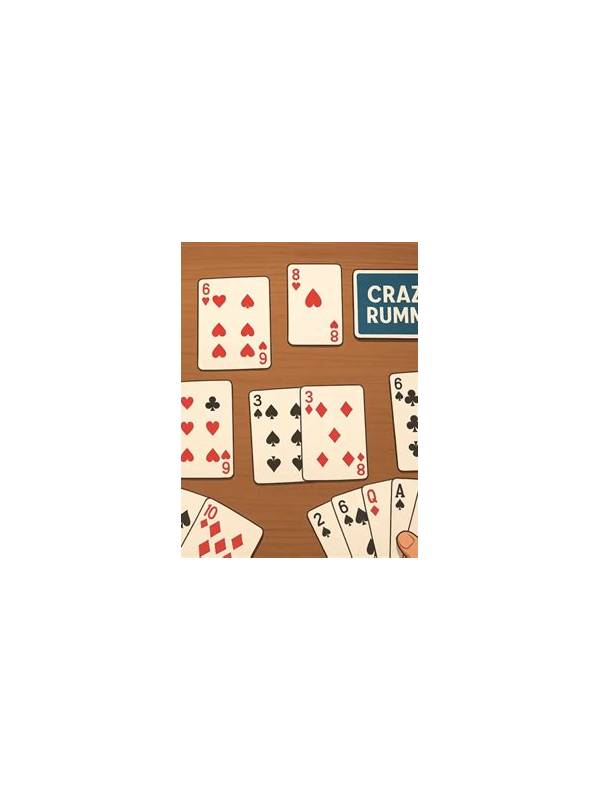
A scattered rummy hand can feel impossible because every card appears to suggest a different future. One pair points toward a set, two connected cards invite a sequence, and a high card seems to demand immediate action. The answer is not to chase every possibility. It is to reduce the hand to three clear options and compare them calmly.
Start by grouping cards that already have evidence behind them. A completed pair, two consecutive cards of one suit, or a joker beside a useful card deserves attention. Do not call these groups final melds yet. They are candidates. Next, place isolated cards in a separate area. This visual split prevents a lonely card from receiving the same priority as a developing group.
Now create three plans. The first should be the most natural plan: the one requiring the fewest new cards. The second should be a flexible alternative using a card that can connect in more than one direction. The third should be a discard-first plan that protects your score if neither combination improves. For each plan, name the next one or two cards that would help. If you cannot name them, the plan is probably wishful thinking.
Compare the plans by useful-card count, risk, and space. A plan with many possible draws may still be poor if it keeps several expensive cards. A narrow plan can be acceptable when it uses low-value cards and has a quick exit. Also consider what your recent observations say about the table. If several needed cards have already appeared in discards, downgrade that plan rather than waiting for a miracle.
After each draw, update the three options. Promote a plan when a helpful card arrives, and retire one when it becomes too costly. This simple routine keeps the hand moving without forcing an early commitment. It also gives you a reason for each discard: you are removing the card that contributes least to the remaining options.
It helps to keep the options visible in your card arrangement. Place the leading group first, the backup group beside it, and isolated cards at the edge. That physical order makes it harder to forget why a card was being held. When a new draw changes the ranking, move the cards rather than relying on a vague memory of the earlier plan.
The goal is not to predict the perfect hand. It is to keep a difficult hand understandable. Three explicit options are easier to compare than ten imagined combinations, and they make disciplined decisions possible even when the next draw is unhelpful.
Related Post
Rummy Tips: Compare Two Discards by Future Flexibility
When two discards seem equal, compare how many practical hand shapes each one leaves available. [...]
Rummy Guide: Use an Exit Plan Before the Hand Gets Crowded
Plan how to finish a hand while you are still choosing which routes to keep. [...]