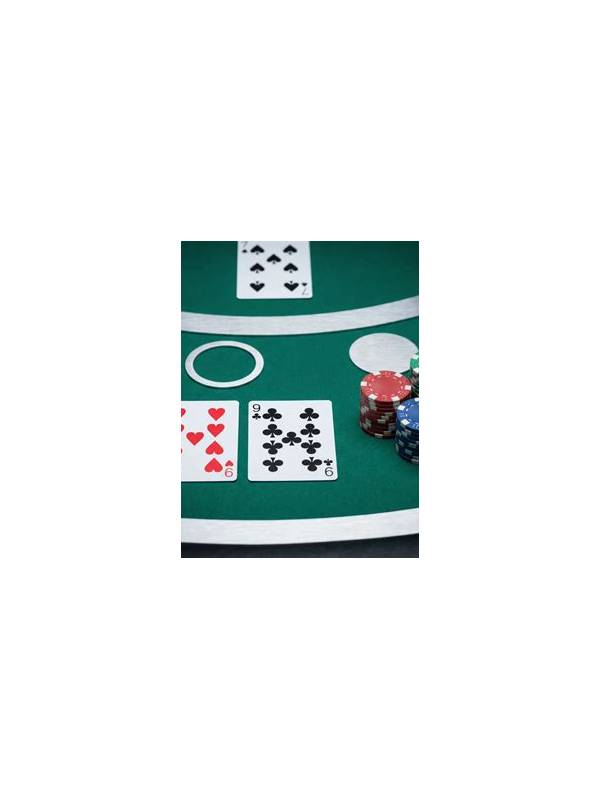
Rummy Card Sorting on Mobile: A Layout That Reduces Mistakes

Small screens can make a familiar rummy hand feel more confusing. Cards shift as you draw and discard, and a useful connection may be hidden among several pairs. A stable sorting method reduces visual noise and helps you make decisions before the turn timer becomes a problem.
If the app offers automatic sorting, test its modes in a practice table. Sorting by suit is usually best for spotting sequences, while sorting by rank highlights possible sets. Choose one as your default and switch only when you have a specific question. Constantly changing modes can make you lose track of where a card moved.
When sorting by suit, keep a mental divider between completed groups and cards still under consideration. Do not rely solely on color, since red and black suits can look similar in bright or dark themes. Read the rank and suit aloud in your head when a decision matters. This small pause can prevent discarding the wrong copy of a pair.
Zoom, animation, and notification settings also affect accuracy. Turn off decorative animations if they delay the appearance of a new card. Increase text or contrast if the app permits it, and keep the device screen clean enough to distinguish suit symbols. If your phone is hot, low on battery, or switching between networks, take a break before a high-attention session.
Before discarding, use a fixed visual check: completed groups first, near groups second, isolated high cards third. Then verify that the selected card is actually highlighted. On touch screens, a second tap or confirmation can prevent an accidental discard; enable it when available. Never let a hurried interface interaction decide your strategy.
Practice the layout without stakes. Deal a sample hand, sort it by suit, name two possible arrangements, and identify the safest discard. Repeat until the scan feels automatic. Mobile tools should make the cards clearer, not force you to react blindly. A consistent layout gives your thinking more room even when the display is small. Try a screen-free rehearsal as well. Arrange cards on paper by suit and rank, then practice naming completed groups and loose cards in order. This separates the skill of reading structure from the distractions of animation and tapping. When you return to the app, the same sequence of checks should feel familiar. If a display remains difficult to read, choose a different device or practice mode. Accuracy comes before speed.
Related Post
Rummy Rules: Why Variant Names Need a Second Check
Similar format names can hide different limits and scoring details, so a quick rules check [...]
Rummy Help Pages: A Quick Way to Check Variant Rules
A targeted reading method helps players find the variant rules that matter before a rummy [...]