Rummy Guide: Build a Personal Review Vocabulary
Post-hand analysis often fails because players describe decisions with broad words such as “bad,” “lucky,” or “obvious.” A personal review vocabulary replaces those labels with terms that describe what actually happened. You do not need dozens of terms. A small set can make repeated patterns easier to see.
Start with structure words. Use “confirmed” for a valid group or sequence, “candidate” for a possible route, and “blocked” for a route that has lost a necessary condition. These labels distinguish present work from hope. Add “flexible” when a card supports more than one realistic route and “committed” when moving away from a route would be costly.
Then add uncertainty words. “Broad draw” can describe a card that has several plausible useful outcomes, while “narrow draw” describes a card that needs one exact or nearly exact result. “Visible risk” means the table has provided evidence that a card may help an opponent. “Unknown risk” means you lack enough information to assess that concern. These terms avoid pretending that hidden information is known.
Decision words are helpful too. Call a choice “necessary” when the rules or hand structure require it, “protective” when it reduces exposure, and “exploratory” when it preserves options while gathering information. A decision can have more than one label. For example, an exploratory discard may also be protective if it reduces high-card points.
Use the vocabulary immediately after a hand. Write one sentence for each major turn: “Candidate route became narrow,” “Flexible card was discarded too early,” or “Protective choice reduced points but gave up a broad draw.” Keep the sentence factual. Avoid judging the whole hand from the final outcome.
After several reviews, count recurring labels. If “committed too early” appears often, examine your opening choices. If “unknown risk” dominates, practice tracking visible cards. If many decisions were necessary, review whether earlier choices created the pressure. Vocabulary turns vague frustration into a searchable record of habits.
Do not let labels become rigid rules. A narrow draw is not always wrong, and a protective choice is not always best. The vocabulary is for describing trade-offs so you can compare them. Update your terms if a label repeatedly fails to explain what you meant.
Good reviews ask better questions. With a shared vocabulary, you can identify whether a problem was structural, informational, or emotional. That makes practice more focused and helps separate a playable decision from an unfortunate result.
Related Post
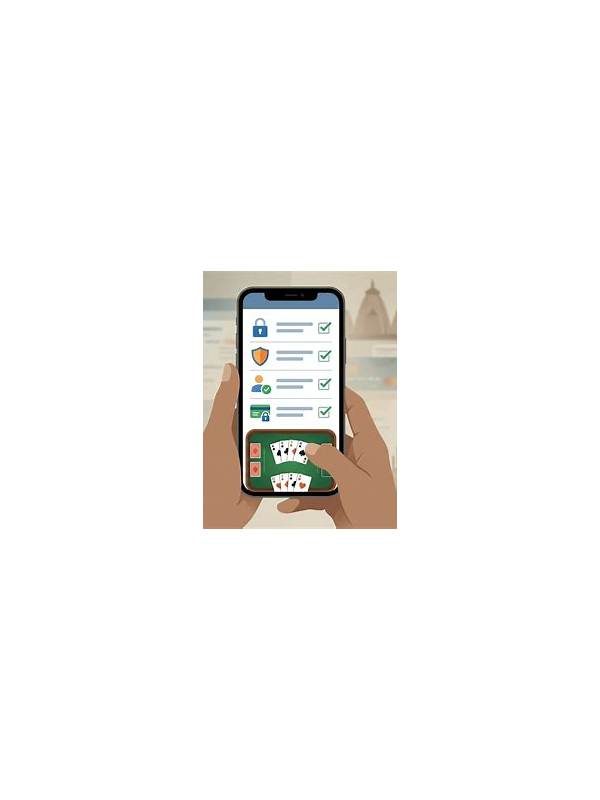
Rummy Safety: Recognize Promotional Pressure Before Playing
Recognizing urgency, scarcity, and reward language helps players make participation decisions on their own terms. [...]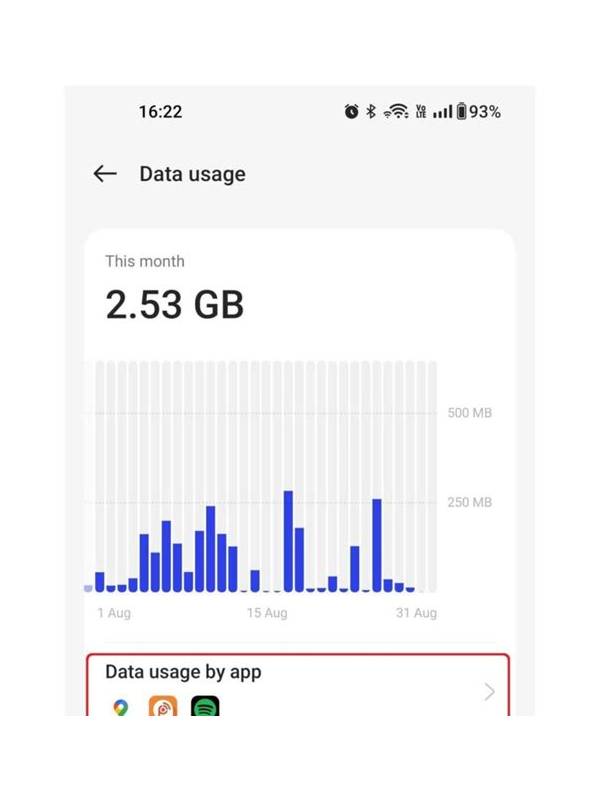
Rummy App Data Usage: Keep Mobile Sessions Predictable
A few device and app settings can make mobile rummy sessions easier to monitor on [...]