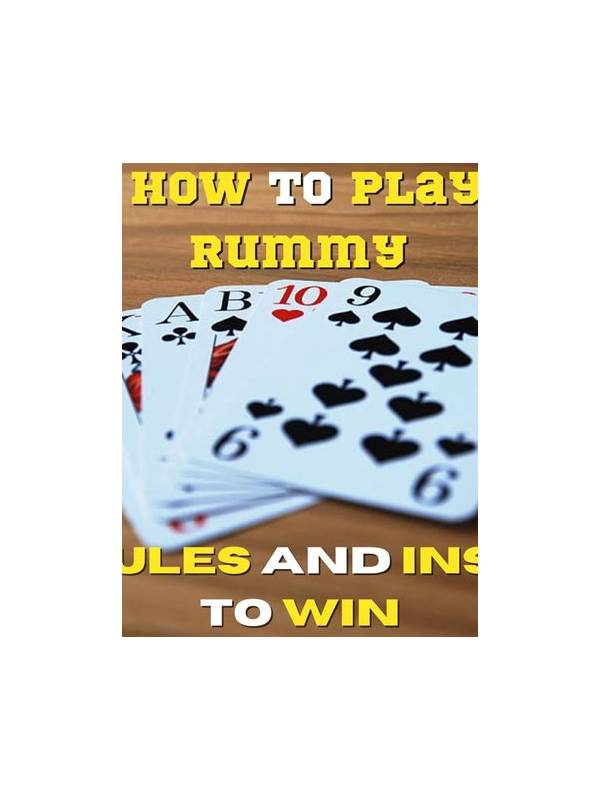
Rummy How-To: Make a Decision When the Timer Feels Short
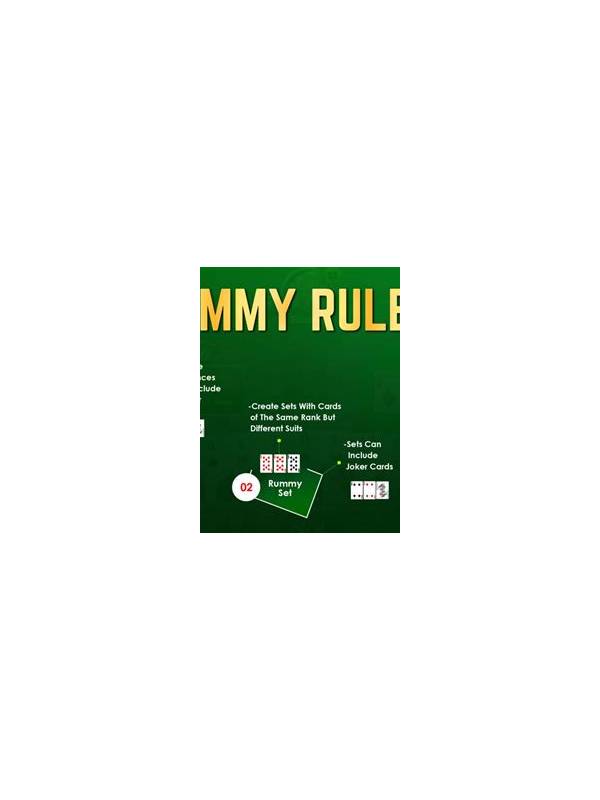
A short timer can make an ordinary rummy choice feel like an emergency. The answer is not to rush every thought. It is to use a fixed priority order so that the most important checks happen first. Practice the order away from live play until it becomes familiar.
Begin with the rules. Confirm what action is required and whether a missed timer causes an automatic pass, penalty, or other result. If the interface is unclear, do not commit funds or enter a competitive table until you understand the consequence. A timer should not pressure you into an activity you cannot evaluate safely.
Second, protect the essential requirement. Look for the card or structure that helps meet the format’s declaration rules, especially any pure sequence requirement. If one choice directly supports a necessary structure and another only improves a speculative pair, the necessary structure deserves priority. This is a rules check, not a prediction of the final result.
Third, remove obvious danger. If one discard leaves a high-value card isolated while another discard preserves it in confirmed work, choose the option that limits avoidable exposure. Do not spend the remaining seconds comparing tiny differences when one route is clearly safer. “Good enough and legal” can be a sound decision under time pressure.
Fourth, check the open discard once. Ask whether taking it creates a real improvement and whether it gives up a better hidden draw. Avoid repeated scanning. If the card does not complete or strongly support a route, move on. A fixed one-scan rule prevents the timer from being consumed by indecision.
Finally, act and record the reason afterward. A rushed decision should not be judged only by its outcome. Note whether the timer caused a rules error, a structural error, or merely discomfort. Each type needs a different response: learn the rules, practice hand organization, or adjust your time-management routine.
If timers regularly create panic, choose slower practice formats, lower-stakes settings, or breaks. Accessibility features such as larger text, stable audio, and reduced distractions may help. Never treat anxiety as a reason to increase spending or keep playing.
A priority order gives the clock less control over your attention. Protect the rules and essential structure first, remove obvious danger, make one information check, then act. That is enough for a responsible decision when time is limited.
Related Post

Rummy Safety: A Pause Before Changing Account Settings
A short verification routine can protect players from rushed account and payment changes. [...]
Rummy How-To: Use a Turn-by-Turn Plan for the Last Five Cards
A late-hand checklist for reducing uncertainty when only a few cards remain to be arranged. [...]