Rummy Guide: Use a Confidence Ladder for Draws
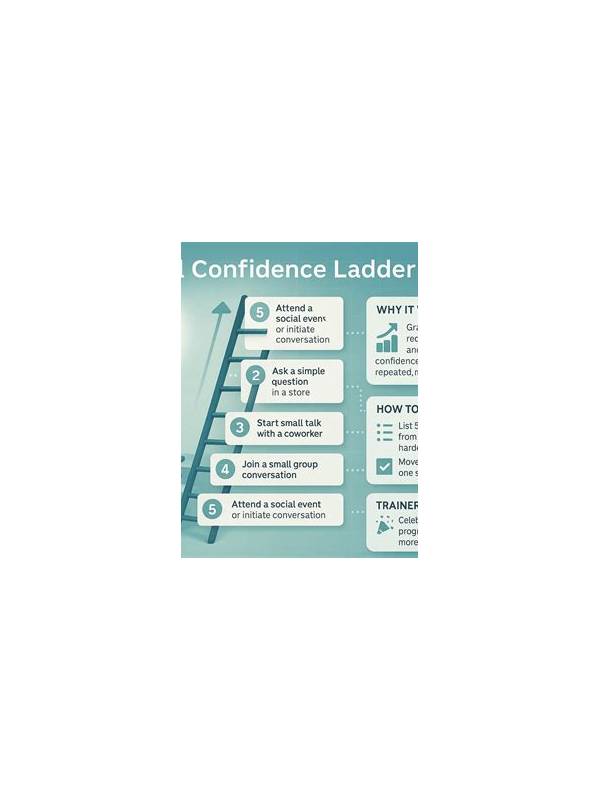
A confidence ladder gives each draw a simple status: confirmed, plausible, or speculative. The labels are not predictions. They are reminders about how much evidence supports the card’s role and how cautiously you should treat it.
Confirmed means the card completes or protects a structure that satisfies the rules. Plausible means it supports a realistic route with more than one useful continuation. Speculative means it depends on a narrow outcome, an uncertain interpretation, or several favorable events.
Use the ladder after every draw and before every discard. If a card moves from plausible to confirmed, protect it appropriately. If it moves from plausible to speculative because useful cards disappear, set a switch point. If many cards are speculative, simplify the hand rather than collecting more possibilities.
Confidence should not replace point or timing checks. A confirmed high-card group can still matter differently from a confirmed pure sequence if the rules give them different roles. A plausible low-cost route may be worth keeping early, while a plausible route late in the hand may be too slow.
Practice with sample hands and explain the label in one sentence. Review whether the label matched the evidence available at that moment, not whether the final result was favorable. The ladder is valuable because it makes uncertainty visible before it becomes a surprise.
Three levels are enough for most decisions. More categories can create the appearance of precision without improving judgment. Use confirmed, plausible, and speculative to keep the plan honest and adaptable. Confidence can change when a rule reminder or visible action changes the evidence. Protect confirmed work, test plausible routes briefly, and limit speculative routes with a deadline. Confidence can change when a rule reminder or visible action changes the evidence. Protect confirmed work, test plausible routes briefly, and limit speculative routes with a deadline. The ladder guides attention; it does not promise a result. Three levels are enough because the purpose is attention, not artificial precision. When a card moves down a level, reassess before attachment turns uncertainty into a forced decision. When it moves up, protect the new evidence without assuming the hand is finished. Use the ladder before a draw and before a discard. A speculative card may deserve a deadline, while confirmed work may deserve protection. The labels should make the next action clearer and should be updated whenever the rules or visible evidence changes. Confidence describes evidence, not destiny. Keep the distinction clear when reviewing an unusual result.
Related Post

Rummy How-To: Create a Low-Stress Post-Game Review
A short, factual review can improve rummy decisions without turning a recreational hand into a [...]
Rummy Safety: Check Privacy Before Sharing a Problem Screenshot
A privacy check before sharing a troubleshooting screenshot can prevent account, payment, and personal details [...]