Rummy Hand Priorities: Rank Tasks Before Choosing a Discard
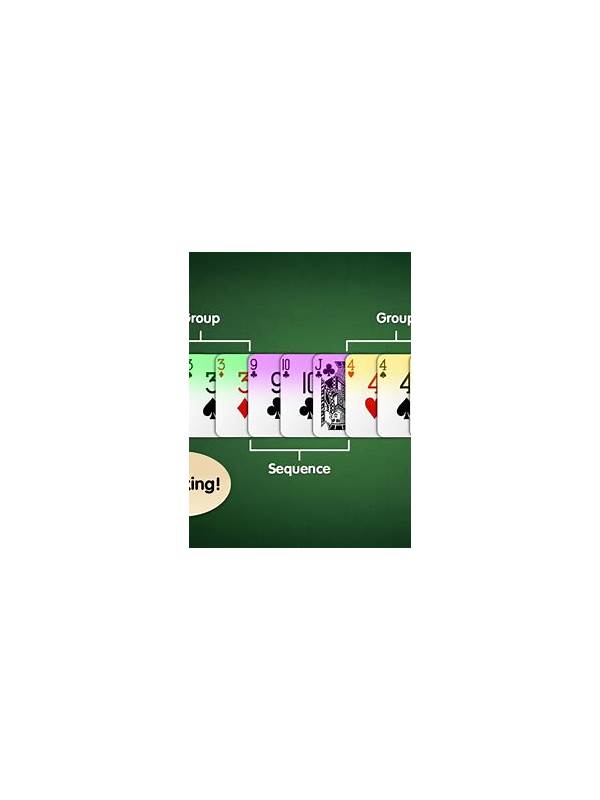
When a rummy hand is messy, players often compare every card at once. That creates noise and makes a simple decision feel impossible. A priority order reduces the number of questions you need to answer on each turn.
First protect validity
Check whether you already have a required pure sequence or whether one is close to completion. Rules vary by format, so confirm the applicable declaration conditions before relying on a general strategy. A beautiful set does not compensate for an invalid overall hand. Legality affects every later choice.
Next protect strong structure
Identify groups that are complete or nearly complete. A confirmed sequence, a useful set, and a connected pair are not equal, but each gives information about where your hand can improve. Avoid breaking a sound group to preserve a single loose card unless the new plan offers a clear advantage.
Then reduce exposure
Among cards outside your best groups, examine point value and connection distance. A high card with no nearby partner is often more urgent than a middle card that can still join two directions. Do not use point value alone: a low card can also be dead if it has no realistic route into a group.
Finally compare table information
Public discards and visible picks can influence a close choice. They should refine your decision after your own hand has been assessed. Never let a guess about an opponent replace the basic check of what your cards can do. This order is not a rigid formula; it prevents distraction and keeps the final discard tied to concrete structure.
Further practice
For a few practice hands, narrate the priorities in short phrases: “validity, groups, exposure, information.” Then name the card that fails the most important check. Speaking the order makes it easier to notice when you jump straight to a guess about an opponent or to a card that merely looks inconvenient. Later, shorten the routine to a silent scan. The purpose is not to make every turn slow. It is to create a dependable sequence that remains available when the hand is confusing. If the format has unusual penalties or declaration rules, place those rules at the beginning of your checklist. A priority system should adapt to the table while preserving the basic principle: decide from the strongest evidence first.
A short checklist is especially useful when the hand contains several equally plausible discards. It gives you a neutral starting point and reduces the influence of the last card you noticed. Revisit the checklist after learning a new variant, because the validity requirement may change even when the cards look familiar.
Related Post
Rummy How-To: Review a Turn With the Four-Box Method
Four simple boxes can separate what you knew, chose, expected, and learned on a rummy [...]
Rummy Safety: Protect Your Eyes During Long Screen Sessions
Simple screen and break habits can make extended online rummy practice more comfortable and sustainable. [...]