Rummy Guide: Use a Confidence Ladder for Grouping Cards
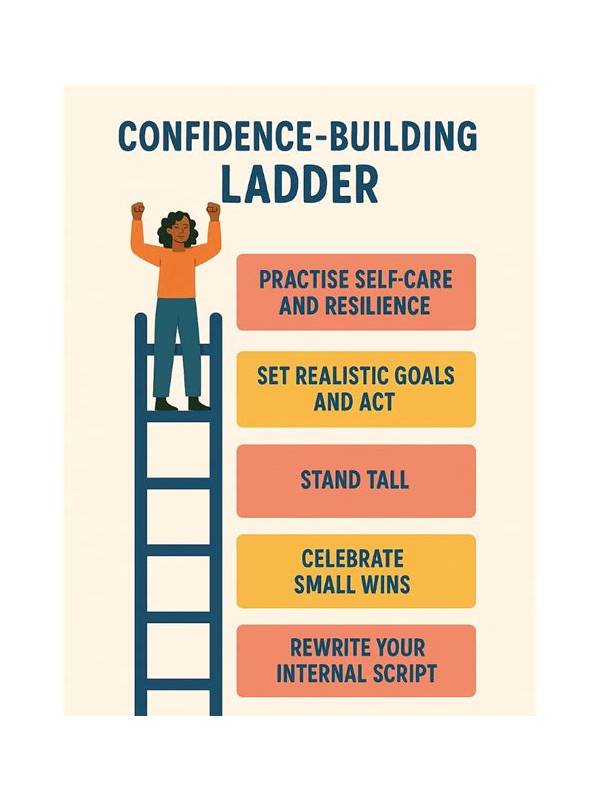
Not every attractive group deserves the same trust. A confidence ladder gives each possible combination a level, making it easier to distinguish confirmed progress from a hopeful arrangement.
Use three levels to begin. Level one is confirmed: the group is valid under the format’s rules and does not depend on another card. Level two is supported: the cards have a credible connection, but a rule check or one condition is still needed. Level three is speculative: the group depends on a particular future draw or an assumption about a joker.
Marking the levels prevents a common error. Several level-three groups can look like a nearly finished hand when counted together, even though they compete for the same missing card. Treat them as one uncertain project. If a group moves to level one, reassess the remaining hand rather than automatically protecting every related card.
Confidence also helps with discards. A high-value card in a level-three group should face a deadline, especially if the group has no backup route. A low-value card in a level-two group may be worth keeping briefly if it supports several completions. The ladder does not dictate the discard; it clarifies what must be justified.
Check the rules before assigning level one. A sequence may need to be pure, a set may need distinct suits, or a declared hand may require a minimum structure. Familiar patterns are not enough. When playing digitally, confirm that the interface has registered the intended group rather than relying only on visual placement.
Update the ladder after every draw and important discard. Confidence rises when a required card arrives and falls when a supporting card becomes unavailable or an opponent’s play changes the evidence. This simple habit keeps the hand honest. You are not trying to eliminate uncertainty; you are trying to label it accurately before it influences a costly decision.
Confidence is not the same as optimism. A group can feel likely because you want the hand to improve while the evidence remains weak. Ask what would change its label. If you cannot name that condition, the group may be receiving protection from emotion rather than information. Clear labels make later review easier.
Use the ladder again after a surprise discard. A card leaving the table may raise or lower confidence in several groups at once. You do not need to rebuild every arrangement; update the groups affected by the change and leave confirmed structures alone. This keeps the process fast while still acknowledging new evidence.
Related Post
Rummy Comparison: Fixed Discard Rules Versus Flexible Heuristics
Compare rigid discard rules with adaptable heuristics and learn how to combine their strengths. [...]
Rummy Guide: Set Up a Calm Table Before the First Deal
A consistent table setup reduces distractions and makes hand organization, rule checks, and score tracking [...]