Rummy Discard Review: Use a Counterfactual Question
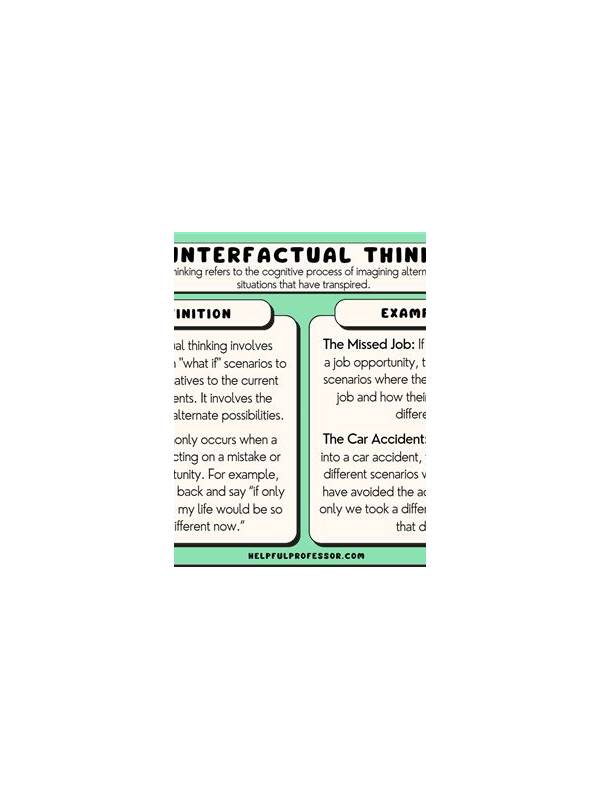
Reviewing a rummy discard does not require rebuilding the entire hand. One efficient method is to ask a counterfactual question: if you had kept the discarded card, what specific group would it realistically have supported? This shifts review from regret to evidence.
Identify the original reason
First write down why you released the card. Was it isolated, high in points, redundant, or outside your preferred plan? Record the reason as it appeared at the time, before looking at later draws. This protects the review from hindsight and makes your original information visible.
Test the alternative honestly
Examine the next cards and ask whether keeping the discard would have produced a clear improvement. A later matching card does not automatically prove the original discard was wrong. The card may have remained loose, forced you to break another group, or arrived too late to matter. Test the whole route, not just the lucky draw.
Compare opportunity cost
Keeping one card means releasing another. If the alternative would have completed a set, what would you have lost by discarding your actual choice? Compare group quality, point exposure, flexibility, and declaration requirements. A decision can be reasonable even when another line eventually works better.
Save one lesson
End with a short lesson such as checking two-way connectors before releasing middle cards. Avoid broad conclusions like “never discard a high card.” Specific lessons are easier to apply and challenge when new evidence appears. Counterfactual review separates process from outcome, so use it after representative hands rather than after every minor decision.
Further practice
Make the question precise by naming the earliest point at which the discarded card would have become useful. If it would need two perfect draws, the alternative may have been too narrow even if the final arrangement looks attractive. If it would have helped immediately but you ignored a clear connection, the review may reveal a genuine process error. Also record whether the card was visible to other players. A theoretically useful card may carry an information cost when taken from an open pile. Keep the review neutral, and use several examples before changing your general strategy.
A review is strongest when it acknowledges uncertainty. You could write that two options were close and explain which evidence favored one. This makes the lesson more honest and prevents a single later draw from rewriting the entire decision.
This approach is particularly useful for close calls, where neither discard was obviously superior. It gives you a record of the reasoning and a way to improve without blaming the draw.
Related Post
Rummy Tournament Schedule Planning for a Balanced Day
Rummy Tournament Schedule Planning for a Balanced Day offers practical guidance for clearer, safer, and [...]
Rummy Strategy: Preserve Options Without Holding Everything
Flexible play means keeping useful choices while still releasing cards that no longer serve a [...]