Rummy Safety: Recognize Account Impersonation Attempts
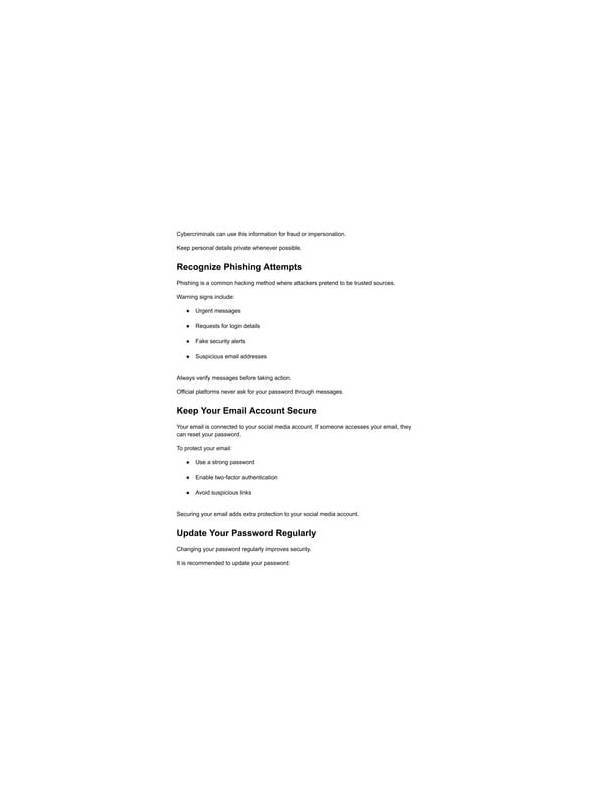
An account impersonation attempt may arrive as a message that appears to come from a game platform, a support agent, or another player. It may claim that a withdrawal is blocked, a bonus is expiring, or an account will be closed unless you act immediately. The safest response is to slow down and verify the request through a trusted channel.
Start with the message itself. Urgency, threats, unusual grammar, and requests to move the conversation to a private channel are warning signs. Be especially careful when a sender asks for a password, one-time code, card number, wallet phrase, or full identity document. Legitimate support should not need your authentication secrets in a chat reply. Never forward a verification code simply because the sender knows your username.
Inspect links without opening them when possible. A familiar logo or similar-looking domain does not prove that a page is genuine. Check the address through the application or a bookmark you created independently. Do not use a link supplied in an unexpected message to sign in or make a payment. If the message is inside a game interface, verify it against the platform’s official help and notification areas rather than trusting the visual design alone.
If you are unsure, stop communicating with the sender and contact support through the normal app or official website. Describe the issue without including secrets. Save the message, sender name, date, and non-sensitive reference details so the official team can investigate. Do not accuse another player based only on a display name; names can be copied or changed.
If you already clicked a suspicious link, close it and change the password using the official sign-in route. Review active sessions, enable available multi-factor protection, and check for unfamiliar account activity. If payment information may have been exposed, contact the payment provider using its official contact details. Avoid installing remote-access software at the request of an unknown helper.
Make prevention routine. Use a unique password, keep the app and device updated, and separate support communication from social chat. A genuine opportunity should withstand a careful verification pause. Protecting an account is more important than responding quickly to a message designed to create panic.
Remember that impersonation can happen after a public post or a support request, when someone knows that you are already concerned. That context can make a convincing message feel urgent. Verify identity independently every time, even when the request seems to follow a real problem.
Related Post
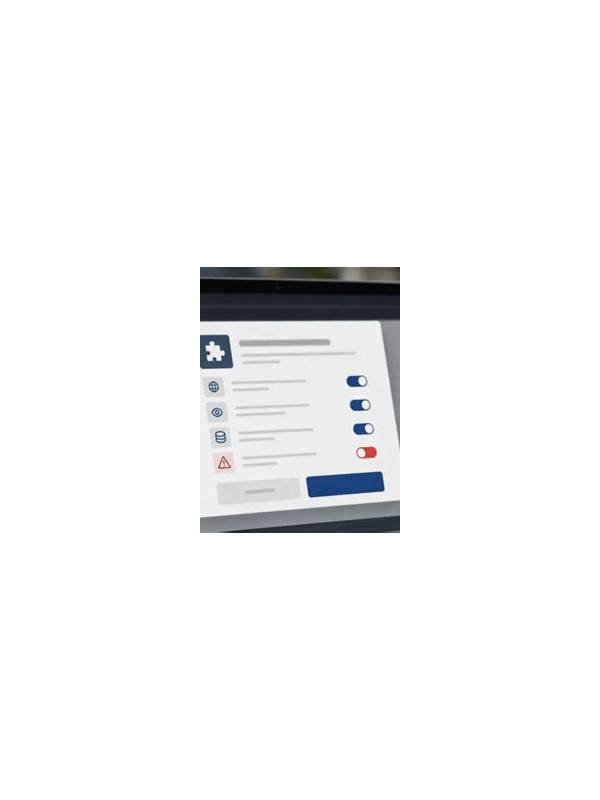
Rummy Safety: Check Permissions Before Installing a Game App
Reviewing app permissions and installation sources is a practical step before putting a new game [...]
Rummy Strategy: Use Suit Distribution to Find a Safer Plan
Looking at how cards are distributed across suits can expose concentration, gaps, and practical sequence [...]