Rummy Guide: Use Endgame Distance to Choose a Discard
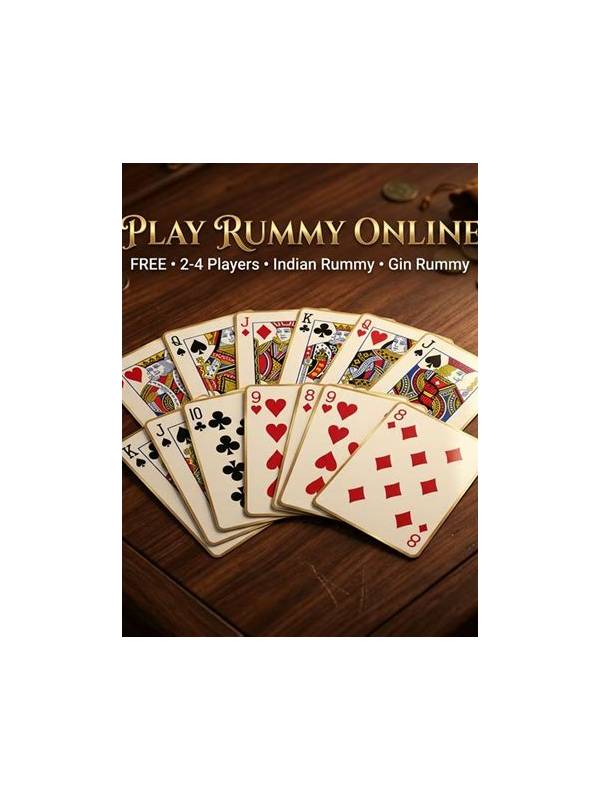
Late in a rummy hand, several cards may look acceptable while only one discard truly improves the route to a valid declaration. Endgame distance is a practical way to compare them. It asks how many missing connections, replacements, or structural changes separate a candidate grouping from a finished hand.
Begin by listing the groups you already trust. A pure sequence that meets the variant’s minimum length is usually more stable than a possible pair. Mark the cards that are complete, the cards that need one connection, and the cards that have no clear role. This first pass prevents a high-point card from receiving automatic priority merely because its value is visible.
For each candidate discard, imagine the hand after it leaves. Count the useful draws that could complete the remaining groups, but keep the count qualitative if exact probabilities are unknown. A card that opens several ordinary improvements may be closer to completion than a card waiting for one narrow rank, even when both currently belong to attractive-looking pairs. Also ask whether discarding it breaks a group that was already secure.
Use a two-part comparison: distance and flexibility. Distance measures how much work remains. Flexibility measures how many different draws can reduce that work. A card one step from completion but dependent on a single unseen card may be less practical than a card two steps away with several routes. This does not guarantee an outcome; it simply makes the trade-off explicit.
Endgame distance should also include declaration requirements. A hand can look nearly complete and still fail if it lacks the required pure sequence or contains an invalid joker arrangement. Before the final discard, run a legality check independent of your distance estimate. Confirm each group, confirm the minimum requirements, and ensure that no card is being counted in two groups.
When time is limited, use a compact routine: protect completed legal groups, identify the narrowest unfinished route, compare the remaining cards by repairability, and choose the discard that leaves the most reliable legal path. If two options remain equal, prefer the one that is easier to verify on the next turn. Clear decisions are more useful than complicated calculations that cannot be checked before the timer ends.
After practice, record whether your distance estimate matched the actual hand. The aim is not to predict every draw. It is to notice which cards were genuinely close, which only looked promising, and how late-game requirements changed their value.
Related Post
How to Test Rummy App Performance Before a Serious Session
A short technical check can reveal connection, display, and battery problems before they affect an [...]
Rummy How-To: Audit a Hand After an Accidental Rearrangement
A quick post-error audit helps restore a rummy hand without turning one accidental tap into [...]