Rummy Hand Shapes: Read the Whole Pattern Before Fixing One Pair
Players often focus on the most obvious pair in a rummy hand. That pair may be useful, but it should be judged within the hand’s whole shape. A broad view helps you choose plans that fit several cards rather than one appealing detail.
Notice the major groups
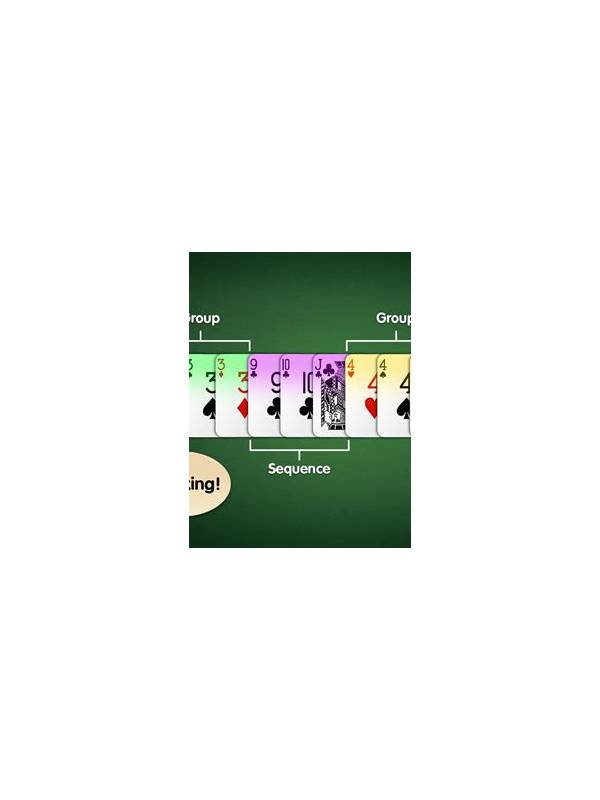
Sort the hand into completed groups, connected fragments, pairs, and isolated cards. Then ask whether the fragments overlap in a helpful way. A hand with two short sequence fragments and one promising set has a different shape from a hand with many unrelated pairs, even if both contain the same number of possible groups.
Measure dependence
Some hands depend on one exact card. Others can improve through several ranks or suits. Mark fragments that have only one route and those that can grow in two directions. A narrow route is not automatically wrong, but it deserves a backup plan and a review point.
Avoid local fixes
Completing one pair can feel satisfying while leaving several high-point cards untouched. Before protecting a pair, compare the total effect: does it reduce exposed points, create a legal group, or merely make the layout look cleaner? A tidy arrangement is useful only when it represents real structure.
Reassess after progress
Once one group improves, look at the remaining cards again from the beginning. A new sequence may make an old pair unnecessary, or a set may release a valuable connector. Reading hand shape is a visual and analytical habit. Group broadly, identify narrow dependencies, compare whole-hand effects, and restart the scan after meaningful changes.
Further practice
You can sketch a hand shape with simple labels such as complete, near, pair, and loose. The labels are not a scoring system; they are a way to see whether one plan is consuming attention without improving the rest of the hand. When a card belongs to two possible groups, mark both routes and compare their strength. When a route depends on a single draw, mark it as narrow. This small map makes reassessment faster and reduces attachment to the first attractive arrangement. The whole pattern should guide your next question: which discard gives the remaining hand the best realistic chance to become legal and stable?
This whole-hand view also helps when a new card seems exciting. Ask whether it improves the shape or merely adds another possibility. Fewer, stronger routes are often easier to manage than many weak ones.
Related Post
Rummy Tips: Use an Information Budget During a Difficult Hand
Limit the clues you track so a complicated hand stays understandable and actionable. [...]
Rummy Tips: Label Cards by Job, Not Just by Suit
Organize a rummy hand around each card’s current role to make useful changes easier to [...]