Rummy Practice Review: Compare Plans Instead of Winners
Winning a rummy practice hand feels encouraging, but it is not a complete evaluation of your choices. A strong review compares the plan you used with one or two reasonable alternatives. This shows whether the result came from sound structure, fortunate draws, or a mixture of both.
Reconstruct the key moment
Choose one turning point, such as the first difficult discard or the decision to break a fragment. Write down your hand as it looked then and the information that was visible. Do not use later cards in the first description. Accurate reconstruction keeps the review fair.
Name two alternatives
An alternative should be legal and plausible at the time. It might preserve a different connector, release a high-point card, or choose the closed deck instead of the open pile. Avoid comparing your actual play with an option that depended on information you could not have known.
Compare decision quality
Ask which plan offered more useful routes, lower exposure, and a better backup if the next draw missed. Then examine what actually happened. The alternative is not automatically superior because it later received a perfect card. Judge it by the evidence available when the choice was made.
Save a narrow conclusion
Write one sentence about the next hand: when two routes are close, check whether one leaves a high card exposed. A narrow conclusion can be tested. Plan comparison turns a win or loss into useful feedback. Review important decisions with the information available at the time, compare realistic alternatives, and keep conclusions specific enough to test.
Further practice
A useful review can include a confidence note. Write whether the choice felt clear, close, or forced, then see whether low-confidence situations share a pattern. You may discover that uncertainty comes from poor sorting, unfamiliar rules, or too many exposed cards rather than from a lack of courage. Do not inflate the sample after one lucky hand. Review several examples and look for repeated evidence. This method respects variance while still improving your process. The aim is not to find a perfect line after the fact; it is to make the next decision more understandable before the cards arrive.
When you finish, leave the outcome in its proper category: evidence about one hand, not a verdict about your ability. Repeated, specific reviews are more informative than emotional scorekeeping.
This perspective keeps practice constructive and leaves room to change your strategy when better evidence appears.
Related Post
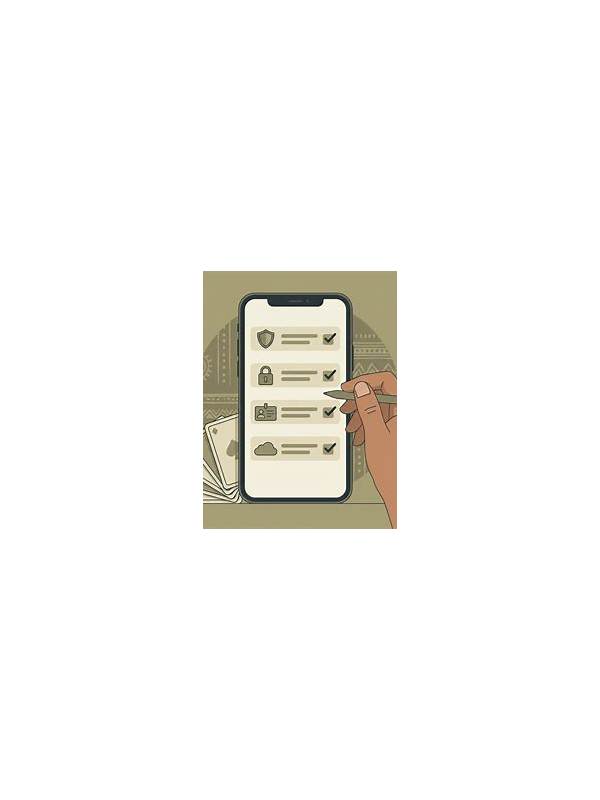
Rummy Safety: Review App Permissions Before a New Session
Reviewing app permissions before play can reduce unnecessary privacy and device risks. [...]
Rummy FAQ: Should You Sort by Suit or by Rank First?
The best first sort depends on the format, but a two-stage method can reveal both [...]