Rummy Table Audio and Chat: Keep Communication Clear
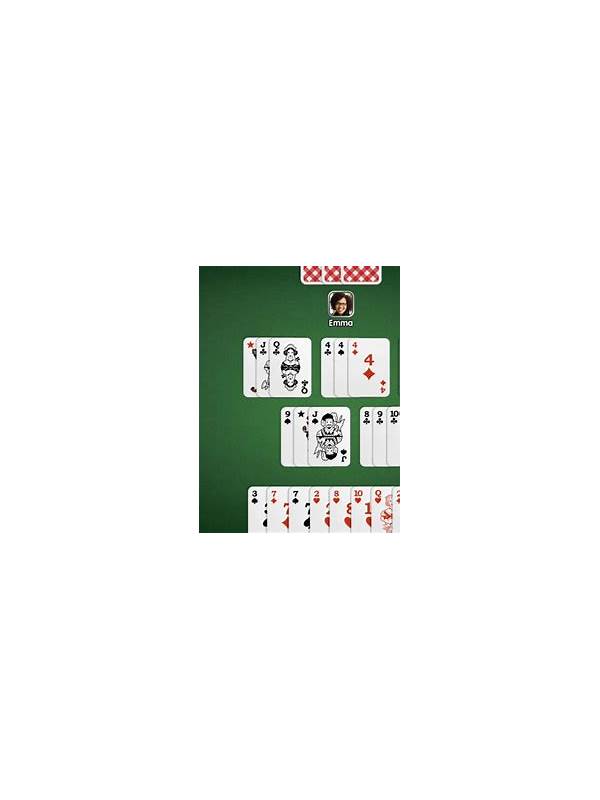
Online rummy may include chat, voice, or shared-screen features. Communication can make a friendly session enjoyable, but unclear messages can cause confusion about rules, timing, or support requests. A few habits keep the table comfortable for everyone.
Agree on essentials early
Before the deal, confirm the variant, turn timer, and what happens after a disconnection. Put important agreements in text so players can refer back to them. Do not assume that a familiar table name guarantees familiar rules. If money or entry terms are involved, read the platform’s own conditions separately.
Use concise messages
During a hand, keep chat focused on necessary information. Avoid sending repeated prompts while another player is thinking. If you need clarification, ask one specific question and wait for an answer. Short messages are easier to understand on a phone and less likely to be mistaken for an instruction.
Protect private information
Never post passwords, verification codes, payment details, or personal identification in table chat. Be cautious with links and direct messages, even when they use a familiar name. Support should be contacted through the platform’s documented channel, not through a stranger’s urgent request.
Handle disagreement calmly
If players disagree about a rule, pause and consult displayed rules or an agreed neutral source. Do not pressure someone to continue before the issue is clear. A respectful exit is preferable to an argument. Clear communication supports good play because it reduces avoidable uncertainty, protects privacy, and keeps rule questions evidence-based.
Further practice
For accessibility, consider muting notifications from the table while keeping essential turn alerts enabled. Use headphones only when you can remain aware of your surroundings, and do not let audio pressure you into acting before checking the hand. If a message is important, repeat the factual part in text so it is not lost. Avoid sarcasm around mistakes, since it can make new players reluctant to ask necessary questions. A clear table has an agreed vocabulary, visible rules, and a respectful way to pause. Those practices improve the social experience without influencing the cards themselves.
If a table has no clear way to resolve disputes, consider choosing another table. Comfort and clarity are valid selection criteria, particularly for newer players who are still learning the format.
Clear boundaries make communication useful without allowing it to become a source of pressure or distraction.
A respectful table should make it easy to ask, answer, pause, and leave when necessary.
Related Post
Rummy Tips: Give Each Unfinished Group a Review Clock
A review clock prevents a narrow rummy plan from consuming the whole hand without fresh [...]
Rummy Comparison: Drawing for Progress or Information
Comparing progress draws with information draws helps rummy players explain why a card source matters [...]