Rummy FAQ: Can a Safe Discard Still Be a Poor Choice?
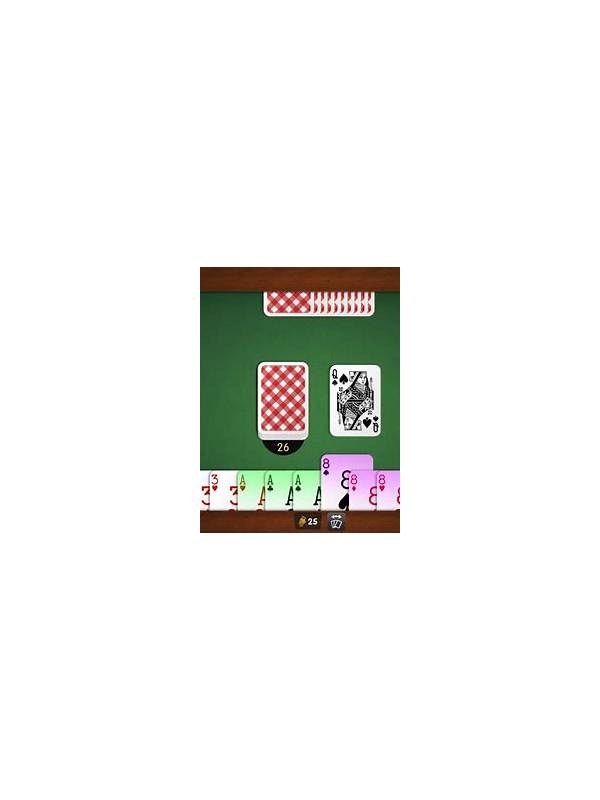
Yes. A safe discard usually means that it is unlikely to help an opponent immediately, but safety is only one part of a good decision. The same card may be safe while also being your best connector, your only recovery option, or the key to a required group. Discard evaluation should therefore include what you lose, not only what others might gain.
Start by defining safe in the current context. Are you judging visible pickups, rank patterns, suit patterns, or a house rule? Evidence can reduce risk, but it rarely proves that a card is useless to every opponent. Use cautious language: “less supported by what I can see” is more accurate than “impossible for anyone to need.”
Next, check the card’s job in your own hand. If it completes no realistic route and has a high replacement cost, discarding it may be sensible even when the opponent risk is unclear. If it connects two groups or supports a backup, its private value may outweigh the comfort of a quiet discard. A card that is safe externally can still be expensive internally.
Consider information value as well. Discarding a card from a suit you have been collecting may reveal your direction. Holding it briefly could preserve uncertainty, while discarding it might make later actions easier for others to interpret. This does not mean you should hide every signal. It means information should be part of the comparison rather than an afterthought.
Finally, compare the next turn. Ask what you expect to draw, what the discard changes, and whether the hand remains recoverable after a miss. A safe discard with a clear next step can be strong. A safe discard that leaves several unassigned cards may only postpone the real problem.
When reviewing a hand, label each discard as safe, structurally useful, informative, or costly. The labels can overlap. The exercise teaches you to avoid a common shortcut: treating “unlikely to help an opponent” as a complete definition of good play. Good discards protect your route while managing the table’s possible responses.
If the choice remains close, state the trade-off explicitly: this card is safer outside my hand, but that card is more expensive to replace. Once the trade-off is visible, choose according to the format and stage of the hand. The improvement is moving from a single label, safe, to a fuller description of what the discard protects and what it gives up.
Related Post
Rummy Guide: Use a Decision Ladder for Difficult Turns
A short decision ladder helps a rummy player compare legality, progress, flexibility, and risk in [...]
Rummy Comparison: Declaring Early Versus Waiting One Turn
Comparing an immediate declaration with one more turn helps players balance certainty, risk, and information. [...]