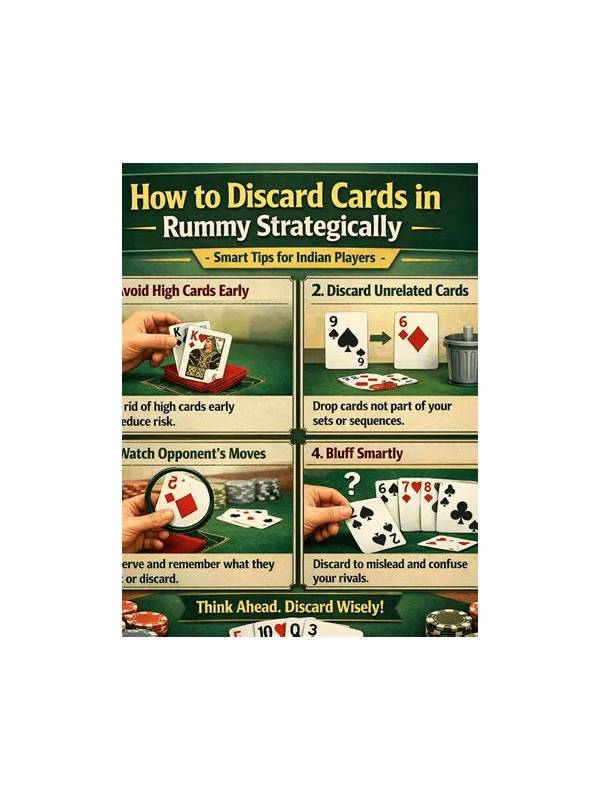
Rummy How-To: Build a Three-Color Review System
A review system should help you notice patterns without turning practice into paperwork. Three colors are enough to classify decisions after a rummy hand: green for clear, yellow for uncertain, and red for urgent or risky. The colors describe the decision process, not whether the hand won.
Mark a decision green when the evidence was strong and the move matched a basic requirement. Examples include protecting a necessary pure sequence or discarding a clearly isolated high card when no stronger route existed. Green does not mean perfect. It means you can explain the choice using information available at that moment.
Use yellow when two routes were plausible or when the decision depended on an inference. A yellow mark is useful because it identifies a place to compare alternatives. Write one sentence explaining the uncertainty: “The pair had several theoretical outs, but many were already visible.” This is more informative than simply writing “bad choice.”
Use red for an urgent error or a safety concern. In hand analysis, red may indicate forgetting a required sequence, submitting a declaration without checking it, or holding expensive cards while a table is closing. In session management, red can mark playing past a time or spending limit. Red decisions deserve attention, but they should not become a reason to continue playing while frustrated.
At the end of a session, count the colors and choose one yellow or red item to study. If most entries are yellow, practice comparing routes. If red entries repeat, create a checklist that catches the specific problem earlier. If everything is green, make sure you are not marking choices too generously; ask whether another player could understand the reason from the evidence.
Keep the system personal and lightweight. You can use colored dots in a notebook or plain words in a note. Do not capture account information, payment details, or other sensitive data. The value lies in making your reasoning visible. After several sessions, the pattern of colors will show where your attention produces the greatest improvement.
You can add one neutral sentence to each review: “The next time I will check…” This keeps the system action-oriented. Examples include checking requirements before a declaration, counting visible waiting cards, or confirming the session limit before joining. Replace the sentence when the habit becomes automatic, so the review remains connected to a real improvement rather than a permanent list of worries. Keep the exercise encouraging: the color is a prompt for attention, never a label for your ability or character.
Related Post
Rummy FAQ: When Is a Small Improvement Not Worth It?
A small improvement may be a poor trade when it reduces flexibility, increases exposure, or [...]
Rummy Comparison: Middle Cards Versus Edge Cards
Middle ranks often offer more sequence directions, while edge ranks can be useful when they [...]