Rummy Guide: Compare Two Possible Sequences Before Drawing
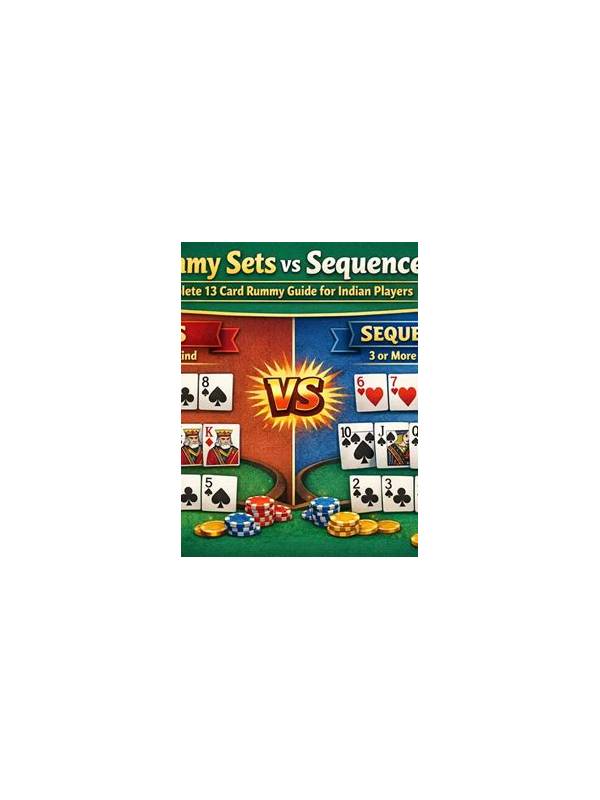
When a hand contains cards that could belong to two different sequences, the tempting response is to keep every possibility alive. That sounds flexible, but it can leave too many loose cards and no clear discard. A better approach is to compare the options before the next draw and choose the route that offers the strongest evidence, the lowest risk, and a reasonable backup.
Start by writing each possible sequence in plain language. For example, a seven and nine of one suit suggest an eight, while a nine and ten of another suit suggest an eight or jack. Do not count a possibility merely because a card could theoretically connect. Ask how many missing cards would complete the idea and whether those cards are still plausibly available.
Next, score each route on three practical measures. The first is completion distance: a connected pair is usually closer than two separated cards. The second is flexibility: a middle card may connect in more than one direction, while an edge card has fewer useful neighbors. The third is discard exposure. If pursuing one route means repeatedly throwing cards that an opponent may want, that cost should be part of the comparison.
Keep the better route only when it does not destroy a stronger structure already in the hand. A partial sequence should not automatically outrank a completed set, a confirmed pure sequence, or a low-risk group. The purpose of comparison is to make the hand simpler, not to create a new puzzle every turn.
Use a deadline for uncertain routes. If a plan still needs several specific cards after one or two useful draws, release it and reassess. This prevents sunk-cost thinking, where a player protects an old idea simply because several turns have already been spent on it. A fresh arrangement may be less exciting but much more achievable.
Finally, compare the replacement card with the card you would discard. If both choices improve the same route, prefer the one that keeps a second route alive. If neither helps, remove the card with the highest penalty and the fewest realistic connections. This small comparison habit makes drawing more deliberate and keeps a hand from becoming crowded with attractive but weak possibilities.
During practice, make the comparison visible by placing the two candidate routes on paper. Circle the card each route needs most and cross out cards already known to be unavailable. This exercise shows how quickly a plan can lose value when one assumption changes. It also trains you to prefer a route that remains useful after a missed draw, rather than one that succeeds only under perfect conditions.
Related Post
Yono Rummy Beginner Strategy Tips for Better Decisions
Beginner strategy ideas for reading a hand, tracking discards, and managing time and spending during [...]
Rummy FAQ: What Should You Notice Before the First Draw?
Answering the most useful pre-draw questions for players who want a calmer and more consistent [...]