Rummy FAQ: Why Does Hand Order Matter?
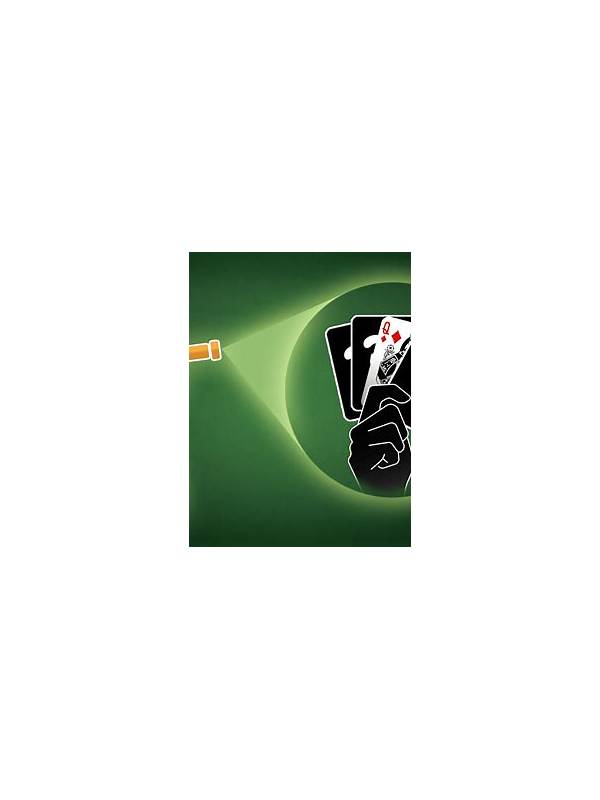
Hand order does not change the cards, but it changes how quickly you can understand them. A consistent arrangement reduces the mental work needed to find sequences, sets, and isolated cards. It can also prevent a player from discarding a useful card simply because it was hidden in a crowded layout.
There is no single perfect order for everyone. Some players group by suit and sort by rank, while others group likely sets separately from possible runs. The best method is the one you can read at a glance and reproduce after every draw. Constantly changing the layout can create its own confusion.
Begin with confirmed groups on one side. Keep possible groups in a separate area and place isolated cards where they remain visible rather than burying them between stronger combinations. If your application supports automatic sorting, check what it does before relying on it. Automatic order may place cards neatly but not show which groups are valid under the variant.
Hand order also helps with verification. When you see consecutive cards of the same suit, check that there is no gap and that the sequence meets the length rule. When you see equal ranks, check whether the suits are distinct and whether the set is permitted. A stable layout makes these checks habitual.
Avoid treating visual proximity as proof. Cards that sit together on screen are not necessarily a legal meld, and a group that looks complete may still need a joker or a different arrangement. Use order to support reasoning, then verify against the rules. After sorting, pause before discarding so you do not mistake rearrangement for improvement.
Practice the same layout during review drills. Shuffle a sample hand, sort it, label confirmed and possible groups, then explain one card’s position. If you cannot explain why a card is where it is, the layout may need adjustment. Good hand order is a quiet tool: it shortens scanning time and leaves more attention for the decisions that actually matter.
If the application changes card positions after a draw, take a brief pause before tapping a discard. Confirm the card’s identity and its place in your structure. This is especially useful when cards are close together or when the screen is small. A stable personal routine can compensate for an unfamiliar interface, but it cannot replace checking the exact card before confirming.
Related Post
Rummy Tips: Use an Evidence Ladder for Discard Decisions
An evidence ladder helps players rank discards by visible facts, reasonable inferences, and guesses instead [...]
Rummy Time Management for Players Who Overthink Each Turn
A practical decision rhythm can make rummy turns clearer and less stressful. [...]