Rummy Strategy for Reading the Open Discard Pile
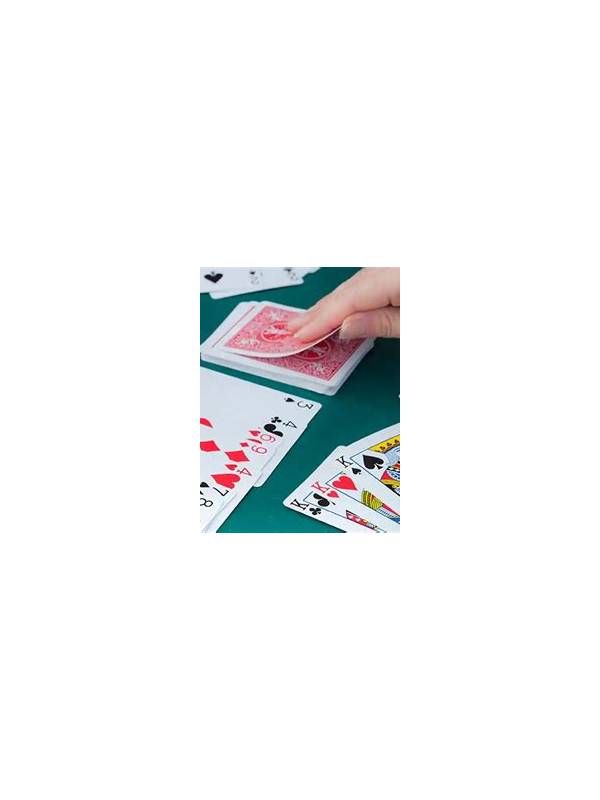
The open discard pile is more than a place to find a useful card. It is a small record of what other players have considered, rejected, and possibly concealed. Reading it well can improve a rummy decision, but the goal is not to guess perfectly. The goal is to collect enough evidence to choose a lower-risk draw and discard.
Start by looking at the most recent cards rather than trying to memorize the entire pile. A recent discard may show a player has abandoned a sequence, or it may be a deliberate card that is safe for them but useful to someone else. Compare it with cards you hold. If you see several cards from one suit leaving the pile, that suit may be less important to the player who discarded them, though it does not prove they cannot use a nearby rank.
Next, watch repeated ranks and neighboring cards. If a seven and nine of the same suit appear, the missing eight becomes a natural possibility, but it is not automatically a target. Ask whether taking it would improve a confirmed group or merely create another hopeful pair. A useful card should reduce the number of uncertain cards in your hand, not simply make the hand look more interesting.
The discard pile can also warn you about timing. When a player suddenly throws a high card after several low cards, they may be reducing points or changing plans. Do not copy the discard blindly. Their hand, format, and risk level may be different from yours. Treat every visible card as evidence with limited strength.
Finally, avoid giving away your own plan. If the open pile offers a card that completes an obvious pattern, taking it may tell attentive opponents what you need. Sometimes the stock card is weaker in the short term but keeps your intentions private. Good observation therefore has two parts: interpret what has happened and consider what your own move will communicate. Use the pile to narrow choices, then verify that the resulting hand still has a clear path to a valid declaration. Good observation therefore has two parts: interpret what has happened and consider what your own move will communicate. Use the pile to narrow choices, then verify that the resulting hand still has a clear path to a valid declaration.
If the pile is difficult to read, return to your own hand. A safe internal structure is more dependable than a complicated theory about an opponent. Keep notes mental and simple: recent pattern, possible improvement, and likely message. That is enough information to support a disciplined choice.
Related Post
How to Compare Two Rummy Plans Before You Commit
Compare competing meld plans by flexibility, cost, and the number of cards still needed. [...]
Rummy How-To: Test an App Update Before a Live Table
A short post-update test can reveal login, display, sound, and connection problems before they affect [...]