How to Organize a Rummy Hand by Commitment Level
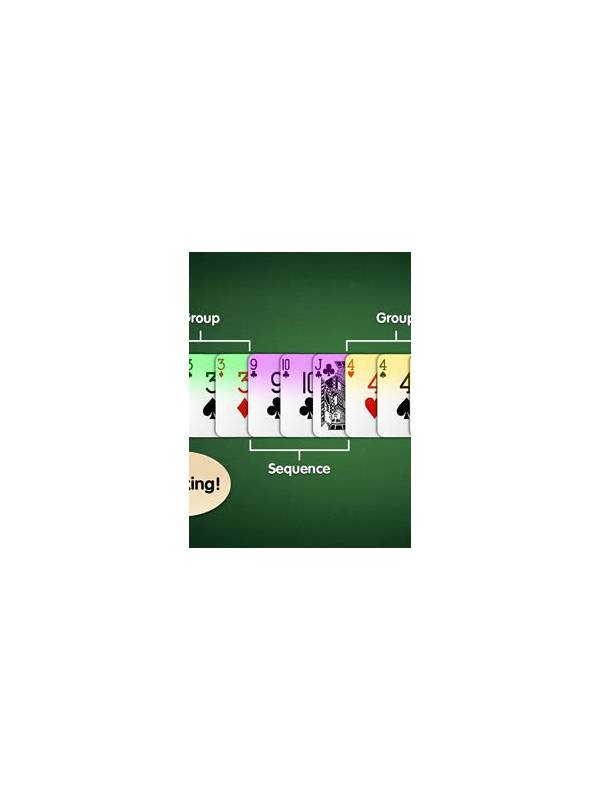
Many rummy mistakes begin with treating every pair as equally valuable. A hand becomes easier to manage when cards are sorted by commitment level: confirmed groups, credible possibilities, and unassigned cards. This method does not predict the result, but it makes each draw and discard easier to explain.
Confirmed groups are cards that already form a legal combination under the format being played. Keep them visually separate and avoid breaking them merely because a new pair looks attractive. A pure sequence, for example, may be the foundation that protects the hand from a late scramble. Labeling it mentally as complete reduces the temptation to keep rearranging it.
Credible possibilities are not yet complete, but they have more than one reasonable route. Three cards in neighboring ranks, or a pair that can join a useful set, may belong here. The important word is credible. A possibility should have a plausible missing card and enough time for that card to appear. If it depends on one exact card late in the hand, move it toward the unassigned category.
Unassigned cards are the honest leftovers. They may be high-value cards, isolated low cards, or cards that conflict with your stronger plans. Do not defend them simply because they arrived early. Give each one a deadline: if it has not found a useful home after a few turns, it becomes a discard candidate. This prevents emotional attachment to a card that has produced no progress.
Re-sort after every meaningful draw, especially after a joker or a card that changes two possible combinations at once. Ask three questions: what is definitely safe, what has two realistic improvements, and what is consuming attention without improving the structure? The last category deserves priority even when its cards are individually attractive.
This approach also helps during a quick decision. If a new card completes a group, it usually belongs with the confirmed cards. If it only creates another pair, compare its flexibility with the weakest existing possibility. If it fits nowhere, do not invent a story for it. Clear categories make the hand less mysterious and leave more time for checking the declaration requirements. This approach also helps during a quick decision. If a new card completes a group, it usually belongs with the confirmed cards. If it only creates another pair, compare its flexibility with the weakest existing possibility. If it fits nowhere, do not invent a story for it. Clear categories make the hand less mysterious and leave more time for checking the declaration requirements.
The categories can be represented physically by the order of cards on screen or by a quick mental label. What matters is consistency. When every new card is assigned a category, you notice sooner when the unassigned area is growing and can simplify before the final turns.
Related Post
Rummy Practice: Score Decisions Without Scoring Yourself
A neutral decision score can improve rummy practice while keeping one unlucky result from defining [...]
Rummy Tips: Use a Recovery Plan After a Rule Mistake
A calm recovery plan limits the damage of a rule mistake and turns it into [...]