Rummy FAQ: How Much Should the Discard Pile Influence Your Plan?
The goal is calibrated attention. Notice enough to improve your own decision, then let the rest remain uncertain. A clear limit on observation can make the game more comfortable as well as more strategic.
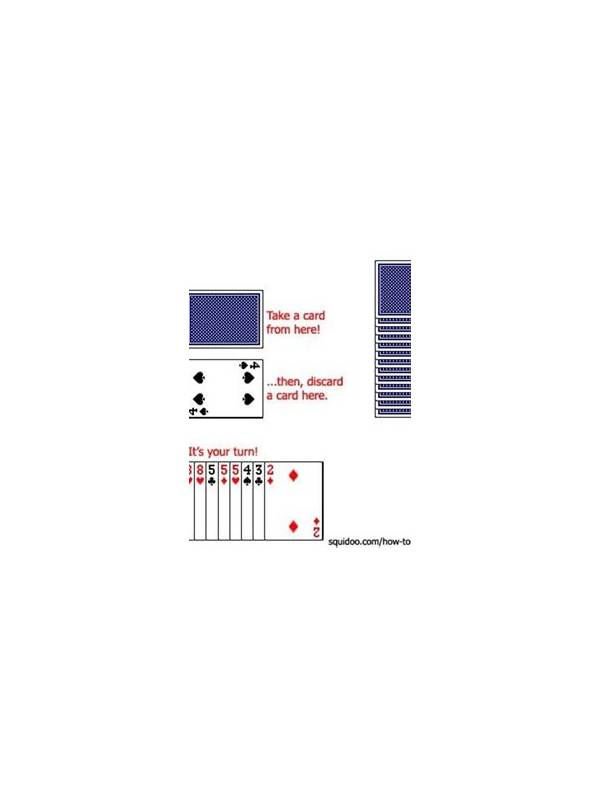
The discard pile can reveal which cards have been seen, which routes may be less available, and what another player might be collecting. It should influence your plan, but it should not control every decision. Your own hand remains the primary source of structure and risk.
Use the pile first to remove impossible or weakened ideas. If a specific connector you need has already been discarded and no replacement is available under the rules, stop treating that route as your main plan. If several cards of a rank have appeared, reduce confidence in a set route. This is more useful than trying to predict exactly what every player holds.
Next, use the pile to compare candidate discards. A card that is obviously connected to a visible pickup may be riskier than an equally weak card with no such signal. The observation is not proof that the other player needs it; it is simply a reason to examine the alternative more carefully. Avoid sacrificing your own strong structure solely to deny a possible route.
The pile also has a timing effect. Early discards contain less context, while later discards may reflect several turns of information. Even late signals can be misleading when players change plans. Keep your interpretation provisional and update it when new evidence appears.
Set an attention limit. Track the few cards that matter to your current plan and the most visible pickup pattern. If you are memorizing every discard but still cannot explain your next move, the information is becoming noise. A useful observation changes a choice; otherwise, let it go.
After the hand, review whether the discard evidence helped. Did you avoid a dead route, protect a useful card, or merely become distracted by another player? The answer will help calibrate how much attention to give the pile in future games. It is a source of clues, not a substitute for a clear hand structure and a safe exit from weak ideas.
If the pile is large or the interface is difficult to read, simplify further. Focus on the cards you need immediately and the cards another player has visibly taken. Ignore older details unless they directly affect a current route. This selective approach reduces distraction and makes your decisions easier to review later, because you can identify which piece of table information actually influenced the choice.
Related Post

Rummy Guide: Build a Reliable Turn-End Routine
A short routine before every discard can prevent avoidable errors without slowing a game excessively. [...]
Rummy FAQ: How Do You Handle a Duplicate Useful Card?
Duplicate cards should be judged by their current structure, future alternatives, and the cost of [...]